

An emergency roof tarp provides needed protection over storm-damaged areas while permanent repairs are scheduled. In Fort Worth, local homeowners and businesses rely on Storm Guard for fast response, secure installation, and professional advice. Our office answers emergency calls 24 hours a day, and crews work as soon as conditions are safe.
Storm Guard Roofing of Fort Worth serves Tarrant, Parker, Wise, and Denton counties. As a locally-owned contractor, we are backed by a national network with over two decades of storm restoration experience. Call (817) 618-5541 or schedule a consultation.
Your damaged roof’s exposure to water determines if you need a tarp. Not every home needs one after a strong storm.
Emergency roof tarping makes sense if daylight shows through an opening, exposed decking is present, or a limb has punched through the roof. It can also help if water is dripping indoors or more rain is forecast.
If you have roof damage that is not as severe as the ones mentioned but you are still worried, you can contact us. We can perform an inspection and provide expert advice if what you really need is an emergency tarp or a different roofing service.
Once the tarp is installed, nobody can see the extent of the storm damage. That is why our team records and photographs the damage first.
The Texas Department of Insurance (TDI) advises homeowners to photograph or video the damage before making repairs and to make only temporary repairs until the adjuster has seen the loss. A tarp is a temporary repair. Patched decking is not, because a carrier can dispute damage it never saw.
Our crew captures the evidence your adjuster looks for, with geotagged, date-stamped photos.
| What we capture | Why it matters | Who it goes to |
|---|---|---|
| Roof from ground level, all elevations | Shows the whole roof, not only the failure point | You, then your carrier |
| Close-up shot of the opening | Establishes the cause and extent before it is covered | You, then your adjuster |
| Damaged vents, interior staining, wet insulation, | Records water intrusion not seen via a roof-only inspection | You, then your carrier |
| Date, time, and geotagged images | Adds date, time, and location context to the damage record | Your claim file |
Mind the paperwork. Receipts and the claim number can be essential to the process. TDI specifically advises keeping receipts because they support reimbursement. This is your file in the making. It goes to your insurer under your name.
If an emergency roof tarp is warranted in your Fort Worth home, Storm Guard has a meticulous process to guarantee a safe and secure installation.
After answering your call and scheduling a visit, our team will thoroughly check your property and assess the roof damage. Before we arrive for installation, we advise keeping valuables, electronics, and people away from damaged areas.
We use a heavy-duty polyethylene cover rated for UV exposure for roof tarp installation. The plastic goes right over the damaged area, secured using wooden battens tied around its edges. Relying on weight alone may not cut it given the strong gusts of wind in northern Texas.
We may apply sealants to your roof to reinforce the protection provided by the tarp. The temporary sealing minimizes the risk of water infiltration into the interior of your property.
Treat the tarp as a temporary remedy while a proper residential roof repair in your Fort Worth home is being arranged. We will provide roof repair or restoration advice upon completing the emergency tarping. It may range from minor repairs to a full roof replacement.
Texas insurance policies usually come with a duty to mitigate. After the storm, the homeowner is expected to take reasonable steps to prevent further damage. TDI storm guidance includes temporary repairs and keeping receipts.
Covering an opening can be part of that process, while in Fort Worth, emergency roof repair may be the next step when the damage requires permanent work.
If a roof remains open and rain soaks the ceiling during that time, a carrier can argue that additional damage was preventable. A temporary tarp can help limit further exposure while you arrange permanent repairs.
Keep in mind that Storm Guard does not interpret policy language, file claims, or negotiate settlements. The Texas Insurance Code Sec. 4102.163 prohibits a roofing contractor from acting as a public adjuster on property on which it may also work.
What we can bring is familiarity with the process, and we will gladly share it with you so you wouldn’t have to grope in the dark. While we cannot promise how your carrier will decide, our experience with insurance documentation can help strengthen your claim.
TDI also recommends being present when the adjuster inspects, along with your contractor. Schedule a consultation, and we will coordinate around that visit.
Our emergency roof tarping here is handled by the same local crew across the territory.

Most homes here have steep-slope asphalt shingle roofs. Access, pitch, and the location of the damage affect how a cover is fitted and anchored safely. Our roof tarping service covers Tarrant, Parker, Wise, and Denton counties, including Keller, Watauga, Haltom City, North Richland Hills, and Saginaw.
Low-slope roofs need a different approach. Commercial emergency tarp services must account for seams, drainage paths, and rooftop equipment that affect where a cover can be fixed and how water moves.
We assess access first, then work around occupancy so tenants can stay in the building. This approach helps protect exposed areas while permanent repairs are planned safely. For permanent work, see commercial roofing in Fort Worth.


Storm Guard Fort Worth is locally owned and backed by a national network with more than two decades of storm restoration experience. The crew that covers your roof also handles permanent repairs, so choosing a local roof tarping company keeps the process in one team's hands.
Damage assessments cost nothing. Call (817) 618-5541 or schedule a consultation to book the earliest safe window for your property.
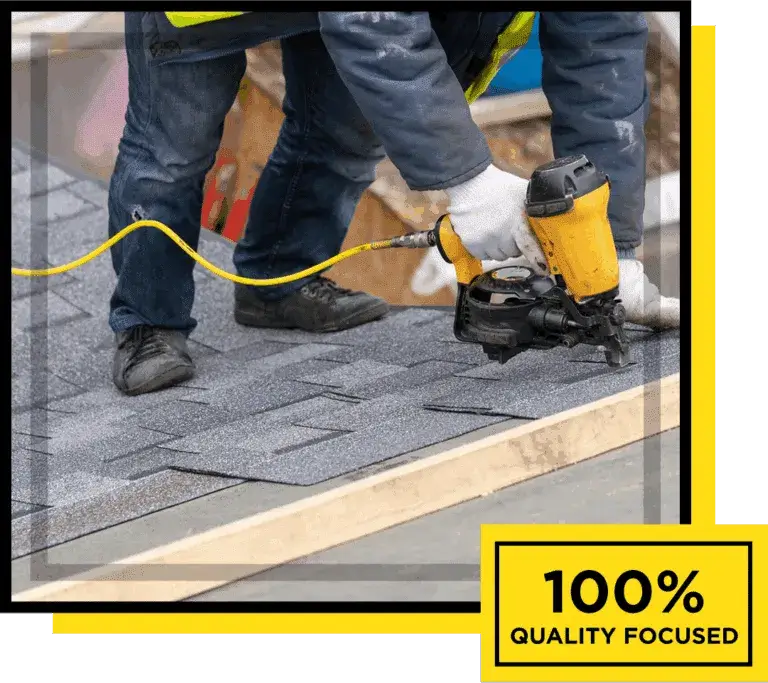
Our office is open 24 hours a day, so you can call for an emergency tarp service when damage occurs. Crews go up once conditions are safe because North Texas storms can bring lightning and high winds. Call (817) 618-5541 to schedule the earliest safe window for your property.
Texas Department of Insurance guidance recommends photographing or recording the damage before repairs are made. Capture the roof from the ground, interior stains, and damaged belongings. Keep your receipts. Our crew documents the same areas and shares the file with you.
Temporary repair costs may be reimbursable after a covered loss, but coverage depends on your policy. Keep your receipts and ask your insurance carrier about your coverage.
Think in weeks, not months. Texas sun can degrade the material, while repeated wind can loosen fasteners. Schedule permanent repairs while the cover remains secure.
You can, but a storm-damaged roof may have soft decking, open sections, or slick footing, which can put you in danger. We recommend hiring crews who are trained and equipped to perform the job safely.
Yes. We cover low- and steep-slope commercial roofs across Tarrant, Parker, Wise, and Denton counties. However, bear in mind that access, drainage, seams, and rooftop equipment affect how a cover can be anchored. Schedule a consultation to arrange a site visit.



Unless otherwise noted, each use of "Storm Guard," “us,” “we,” or “our” throughout Stormguardrc.com collectively refers to both the Storm Guard brand and the Storm Guard Franchise System, which is made up almost exclusively of independently owned and operated franchise locations.

