

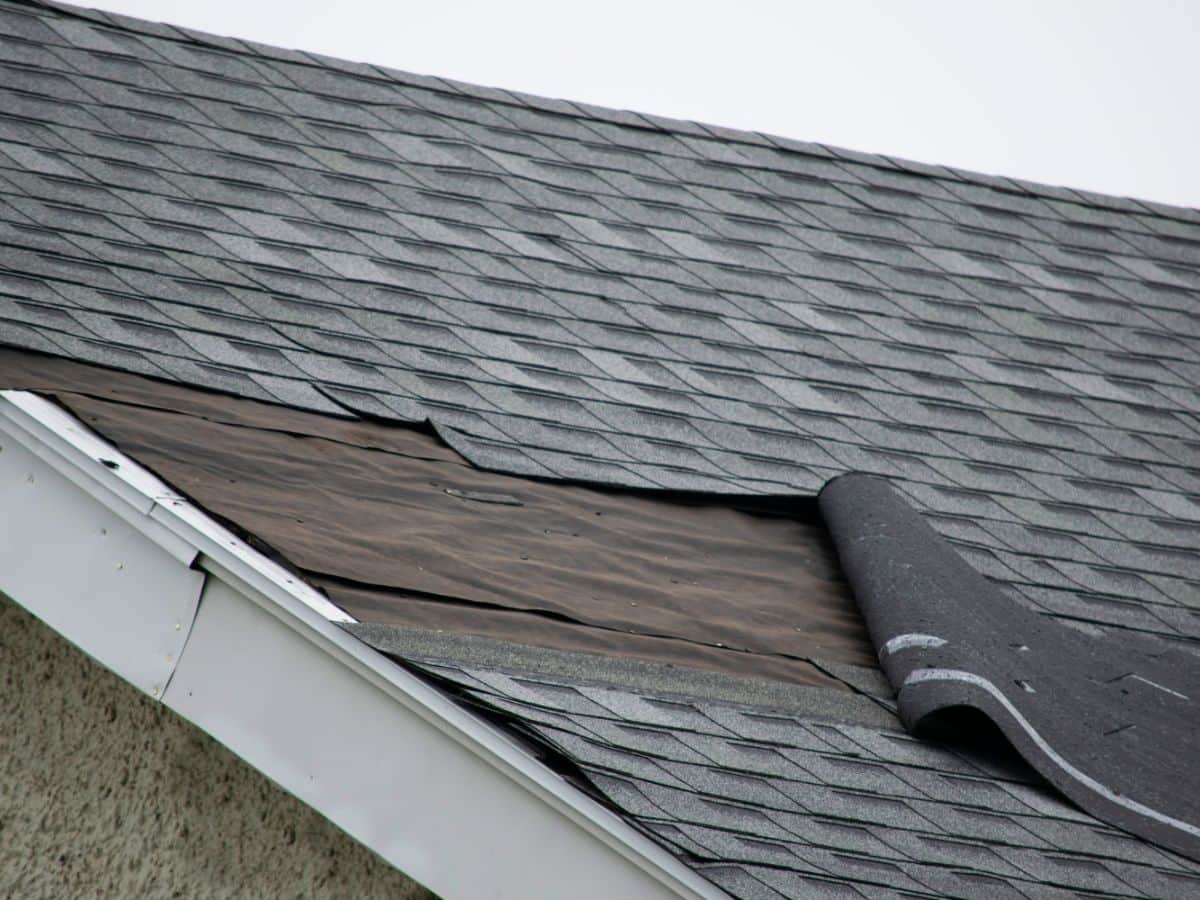
Roughly 270 roofing businesses operate in the St. Louis metro, and after a major storm that number swells with out-of-state crews. Missouri received around 57 complaints about storm repair contractors in the St. Louis area following the 2025 tornado season, and in May 2026 the Attorney General charged a contractor with 23 counts of deceptive business practices over roofing, gutter and siding work in Jefferson County. Storm Guard has a fixed Fenton address, an A+ BBB rating and crews who will still be here next spring.
Before you sign with whoever knocks first, get a second set of eyes on the roof. Storm Guard gives you a documented assessment, an honest answer on whether the damage is claimable, and a written scope you can compare against any other bid. We work across St. Louis, Arnold, Union, Villa Ridge and Chesterfield, and we will tell you when a roof does not need replacing.
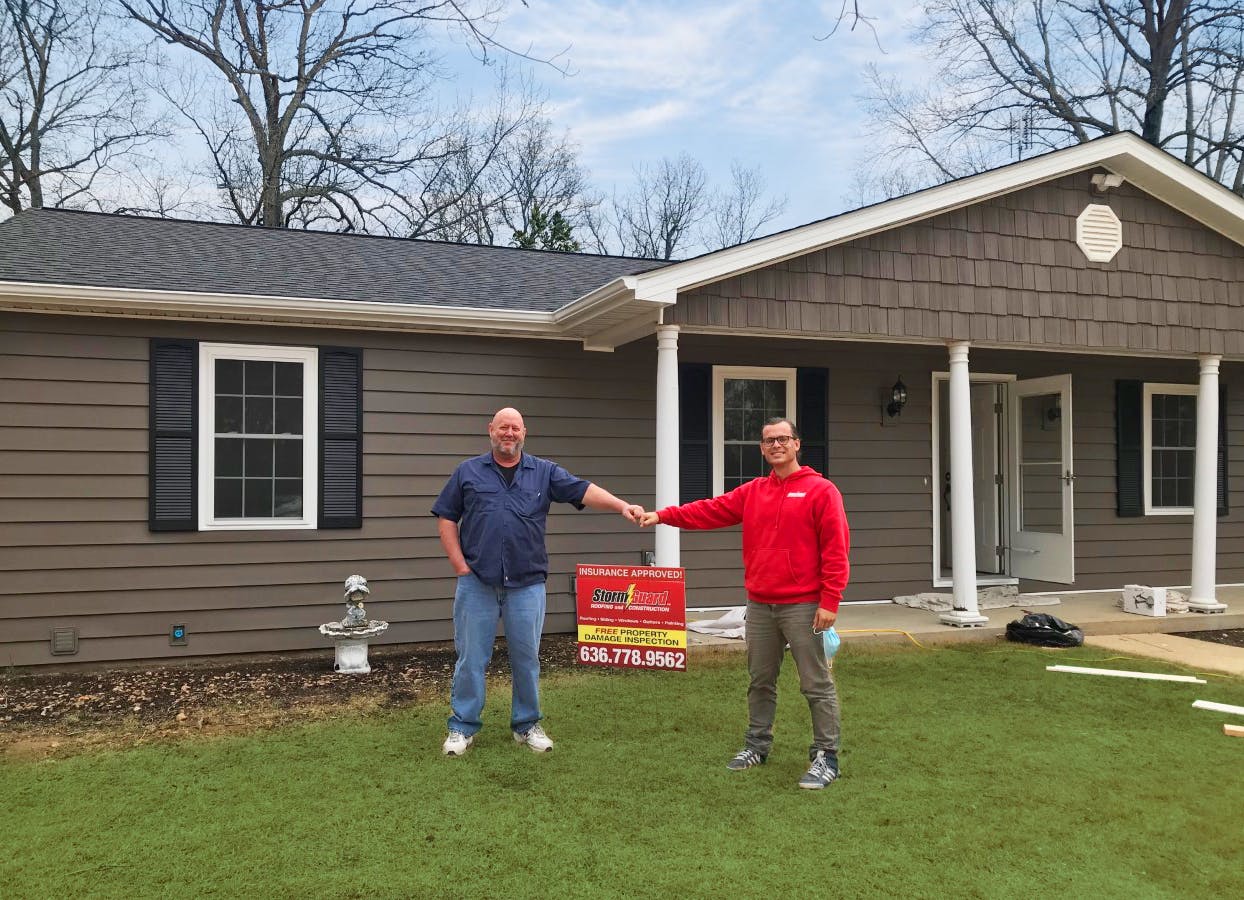
Storm Guard knows what a St. Louis property needs after severe weather. Every scope is itemized in writing, with no vague allowances, so you can see exactly what you are paying for and what your claim covers. Here is the full range:

Our inspections combine a hands-on roof walk with drone imagery for steep or unsafe slopes, so nothing gets missed. We document hail impact density per test square, wind creasing and granule loss the way an adjuster expects to see it.

Our quick-response team handles emergency storm damage roof repair across St. Louis, stopping active leaks and securing openings before the next round of rain arrives, which in this metro is often within 48 hours.

For severe or widespread damage we handle full storm damage roof replacement in St. Louis, installing impact-resistant options where they make sense so the next hail season does not put you back in the same position.

We document storm damage thoroughly for your claim, with dated and geotagged photographs, test squares and a written report you can hand directly to your adjuster. Missouri law keeps the claim negotiation between you and your insurer, so we supply the evidence rather than argue the file, and that is exactly how it should work.
We record the full scope of storm damage with dated photographs, measured test squares and clear written reporting, so you understand the condition of your property and have documentation that holds up.
Our process is built around documentation, because in Missouri the quality of your evidence decides how the claim goes.
We walk the roof and the attic, checking for both visible damage and the hidden moisture that shows up months later.
You receive dated photographs, measured hail test squares and a plain-language explanation of every deficiency we found.
Damage is recorded in the format adjusters work in, including impact density and directional wind patterns, so nothing is dismissed as wear and tear.
You get an itemized proposal covering scope, materials and cost, with no vague allowances that turn into change orders.
Our crews install to manufacturer specification and to your municipality's code, and we keep the roof watertight every night of the job.
We walk the finished roof with you, magnet-sweep the property for nails and hand over your warranty documentation before we leave.
Missouri hail damage is often invisible from the ground, and wind creasing can take months to turn into a leak, which is why so many claims get filed too late. Walk the perimeter after any significant storm and look for these signs, then get a professional assessment before the damage compounds:
You do not have to work this out on your own. Storm Guard knows what St. Louis hail and wind actually look like on a roof, and we provide a precise, documented storm damage assessment at no cost. If the roof is open, our emergency tarping crew can secure it the same day.
Storm Guard installs materials from established manufacturers, and after a hail claim we will walk you through impact-resistant options that can reduce your exposure next season, and in some cases your premium. Here is the range we work with:








Photograph everything before anyone touches it, then call your insurer to open a claim and a local roofer for an independent inspection. Do not sign anything a door-knocker puts in front of you the same day, and do not let anyone onto the roof who cannot show local licensing and insurance. If water is actively getting in, get the roof tarped immediately, because emergency mitigation is generally covered and protecting the property is your responsibility under the policy. Then get a written, itemized scope you can compare against other bids.
Hail damage shows as bruised or fractured shingles with granule loss, and it is frequently invisible from the ground, while wind damage shows as creased, lifted or missing shingles, usually starting at the ridges and edges. The quickest tell from the ground in St. Louis is collateral damage: dents in gutters, downspouts, vent caps, window wraps and air conditioning fins. If those are dented, the roof almost certainly took the same hail. A professional inspection with measured test squares is what turns a suspicion into documentation your insurer will accept.
Missouri has no matching law, so an insurer may lawfully pay to repair only the portion of the roof damaged by the covered event, even if the shingle color has been discontinued. Whether you receive replacement cost or actual cash value depends on your policy, and the difference is significant on an older roof. Check your declarations page for Ordinance and Law coverage too, because a standard policy does not automatically pay the extra cost of bringing work up to current code. Local codes matter here as well: some municipalities in this area require a full replacement once a certain amount of the roof needs work.
File as soon as you find damage, and do not wait for a leak. Policies require prompt notice, and the longer the gap between the storm date and the claim, the easier it is for an insurer to attribute the damage to wear rather than to a covered event. Once you have submitted all the necessary forms, Missouri regulations generally require the insurer to accept or deny the claim within 15 working days, with a status letter every 45 days if the investigation continues. Deadlines vary by policy and the legal picture is genuinely complicated, so read your policy and get advice if a claim is denied.
Check for a permanent local address, not a PO box or a mailbox service, and confirm it on a map before you sign. Missouri requires out-of-state transient employers to post a financial assurance instrument of 5,000 to 25,000 dollars with the Department of Revenue and to certify workers compensation coverage, so ask directly whether they have filed. Be aware that Missouri law bars a contractor from paying or absorbing your insurance deductible, and any offer to do so is a warning sign. You also have a five business day right to cancel a storm-related roofing contract in Missouri. Note that Missouri has no statewide roofing license, so the word licensed on its own means very little.
Call (636) 778-9562 or complete the form on this page and we will schedule your complimentary storm damage inspection, usually within a day or two, and faster if water is getting in. You receive dated photographs, measured test squares and a written report at no cost and with no obligation, whether or not you file a claim or hire us.
Unless otherwise noted, each use of "Storm Guard," “us,” “we,” or “our” throughout Stormguardrc.com collectively refers to both the Storm Guard brand and the Storm Guard Franchise System, which is made up almost exclusively of independently owned and operated franchise locations.