

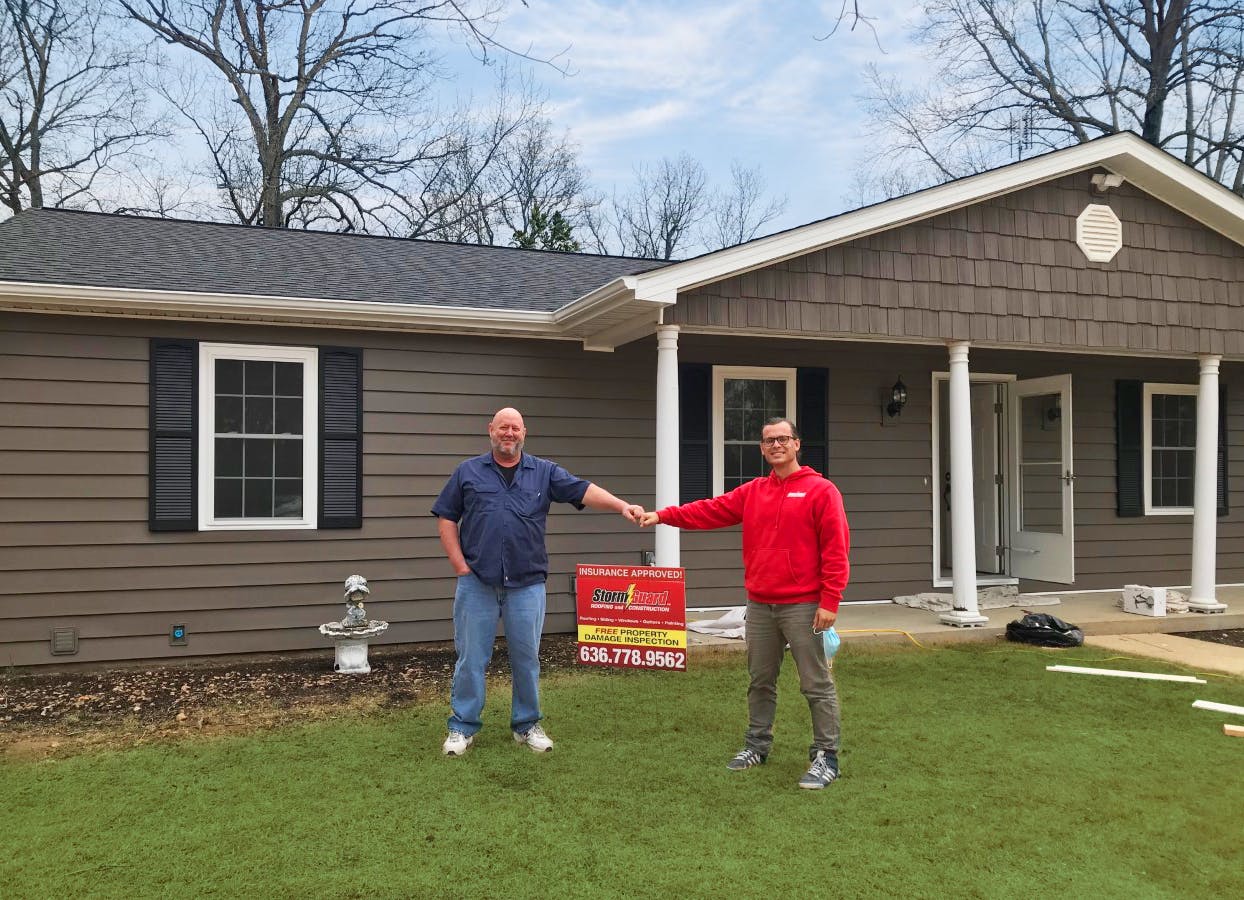
Our commercial specialists pair technical knowledge with real familiarity with St. Louis buildings and the jurisdictions that inspect them. Property managers and owners work with us because we deliver what matters:
We handle the full range of commercial roofing services across St. Louis, MO and the surrounding business districts. Here is what we do:


For aging roofs with sound decking and insulation, a recover or coating system can add years of service without the cost and disruption of a tear-off. It is the right call more often than most owners are told, and we will show you the moisture survey that supports it rather than asking you to take our word.



Our process is built to give an owner or property manager something defensible to take to a budget meeting. Here is how we work.
We survey the roof, core or scan for trapped moisture where it is warranted, photograph every deficiency and give you a written condition report with remaining service life and options.
You get a clear, itemized estimate covering labor, materials, insulation, tear-off and disposal. No allowances that turn into change orders later.
We install to manufacturer specification and to your municipality's adopted code, with daily tie-ins so the building is watertight every night, not just at the end of the job.
We walk the finished roof with you, hand over the warranty documentation and manufacturer registration, and leave the site clean, including magnet-sweeping the parking areas.
Flat and low-slope roofs cover most St. Louis commercial buildings, and they make financial sense: simpler to install, cheaper per square foot and easy to service. The trade is that drainage becomes everything, so slope, drain count and taper insulation matter more than the membrane brand.
TPO and PVC single-ply membranes are the most common new commercial roofs in St. Louis. Both are lightweight, heat-welded rather than glued, and available in reflective white that cuts summer cooling load. We specify a heavier mil thickness on hail-exposed buildings here rather than the thinnest option that meets warranty.
EPDM, the black rubber membrane, has the longest track record of any single-ply and handles Missouri temperature swings with real flexibility, which is why it is still specified on so many local buildings. It absorbs heat rather than reflecting it, so it suits buildings where winter heating load matters more than summer cooling.
Modified bitumen is an asphalt and polymer system installed in reinforced plies, and it is tough underfoot, which makes it a sensible choice on roofs with heavy service traffic, rooftop equipment or restaurant grease exposure.
Built-up roofing, layered asphalt and reinforcing felts finished with gravel or a cap sheet, is the oldest commercial assembly still in use and there is a great deal of it on older St. Louis buildings. It is durable and repairable, and we maintain and repair BUR as often as we replace it.
Modified bitumen is an asphalt and polymer system installed in reinforced plies, and it is tough underfoot, which makes it a sensible choice on roofs with heavy service traffic, rooftop equipment or restaurant grease exposure.
Built-up roofing, layered asphalt and reinforcing felts finished with gravel or a cap sheet, is the oldest commercial assembly still in use and there is a great deal of it on older St. Louis buildings. It is durable and repairable, and we maintain and repair BUR as often as we replace it.
Whether you are planning a capital replacement or trying to get one more winter out of an aging membrane, start with facts. Storm Guard gives St. Louis building owners a documented condition report with photographs, remaining service life, and options at real numbers. Schedule your complimentary inspection today.
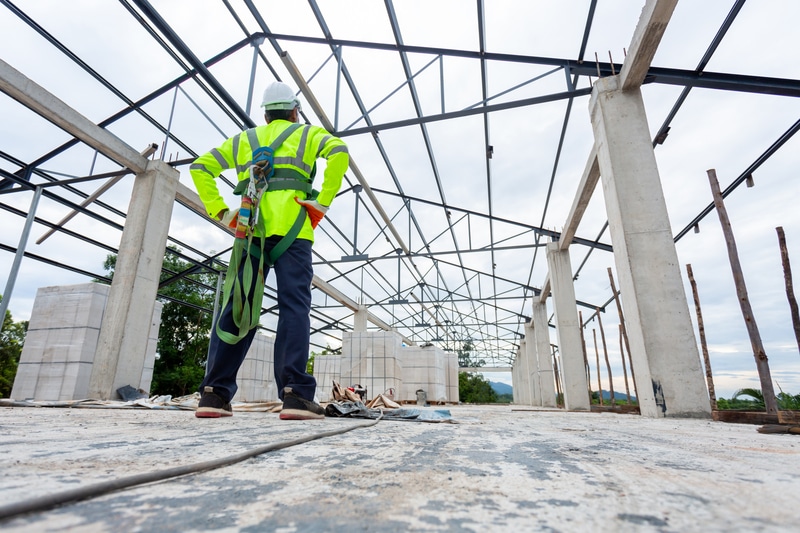
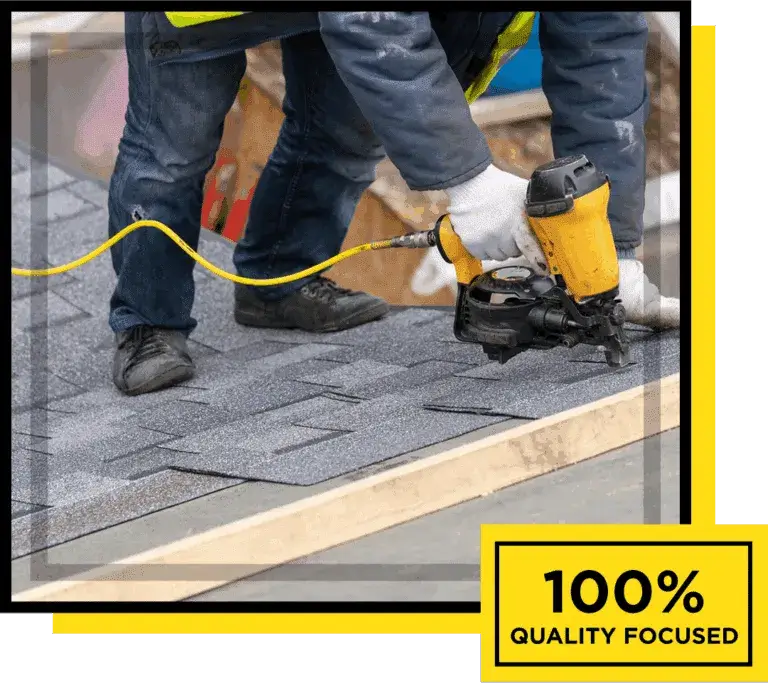





TPO and PVC single-ply are the most commonly specified new commercial roofs in St. Louis, with EPDM, modified bitumen, built-up roofing and standing seam metal all still appropriate depending on the building. The deciding factors here are hail exposure, ponding risk and how much rooftop traffic the roof carries. Our temperature range, from single digits in January to high nineties with humidity in July, works seams loose over time, so heat-welded single-ply generally outperforms adhered systems. On hail-exposed buildings we specify a heavier membrane thickness rather than the minimum that satisfies the warranty.
Twice a year, in spring and fall, plus a post-storm inspection after any significant hail or high-wind event. Spring catches winter freeze damage and open seams before the wet season. Fall clears drains and scuppers before the leaves come down, which is the single most common cause of ponding on local buildings. Post-storm matters because hail bruising on a single-ply membrane is often invisible from the ground and does not leak for months, and by then the link to the storm date is much harder to establish for a claim.
Ponding is the most common serious defect we find on low-slope St. Louis roofs, and yes, it matters a great deal. Standing water accelerates membrane breakdown, adds structural load, magnifies UV damage and voids most manufacturer warranties if it persists beyond 48 hours after rainfall. The usual causes here are blocked drains and scuppers, deflected decking on older buildings and insufficient taper insulation. Fixing drainage is almost always cheaper than replacing a membrane early, so we look at it before we quote a new roof.
Yes. We provide emergency response for storm-damaged commercial roofs across St. Louis, including temporary stabilization, emergency tarping and interior protection, followed by permanent repair once the roof can be properly assessed. For occupied buildings we prioritize stopping water reaching tenant space and inventory, then document the damage with dated photographs for your claim file. Our storm damage team handles the permanent work, so there is no handoff to a different contractor.
Repair while the problems are localized and the insulation is dry. Replace when you have chronic leaks in multiple areas, failed seams across the field, saturated insulation confirmed by a moisture survey, or persistent ponding the drainage cannot fix. A recover or coating system is the middle option owners are least often offered, and on a roof with sound decking and dry insulation it can add years for a fraction of a tear-off. We give you all three numbers with a moisture survey behind them so the decision is based on evidence rather than a sales preference.
Storm Guard offers flexible payment arrangements and phased project structuring for St. Louis commercial roofing work, which lets owners spread a large capital project across budget periods or address the worst sections first. For storm-related work we sequence billing around your claim timeline. Missouri insurers are generally required to accept or deny a claim within 15 working days of receiving all necessary forms, which helps in planning the schedule. Talk to us about the scope and timing and we will structure something workable.
Unless otherwise noted, each use of "Storm Guard," “us,” “we,” or “our” throughout Stormguardrc.com collectively refers to both the Storm Guard brand and the Storm Guard Franchise System, which is made up almost exclusively of independently owned and operated franchise locations.