

Storm Guard is rated A+ by the Better Business Bureau, and our St. Louis inspectors are trained to document damage the way an adjuster reads it: hail impact density per test square, directional wind patterns, and collateral evidence on gutters, vents and window wraps. We use drone imagery on steep or unsafe slopes and hand you the photographs and the report, whether or not you hire us. Missouri has no statewide roofing license, so ask any inspector what their documentation actually looks like before you let them on the roof.
Our inspections take roughly 45 to 90 minutes on a typical St. Louis home, and you get the findings in writing before we leave.
We start by asking what prompted the call, a specific storm, a stain on the ceiling, a home sale or a scheduled check, because that determines what we look for first.
Our roofers combine a hands-on roof walk with drone imagery, examining shingles, ridges, valleys, flashing, pipe boots, vents and skylights, and measuring hail test squares where storm damage is suspected.
We check the decking and structure from the attic where access allows, looking for daylight, moisture staining, inadequate ventilation and insulation problems that shorten roof life in Missouri humidity.
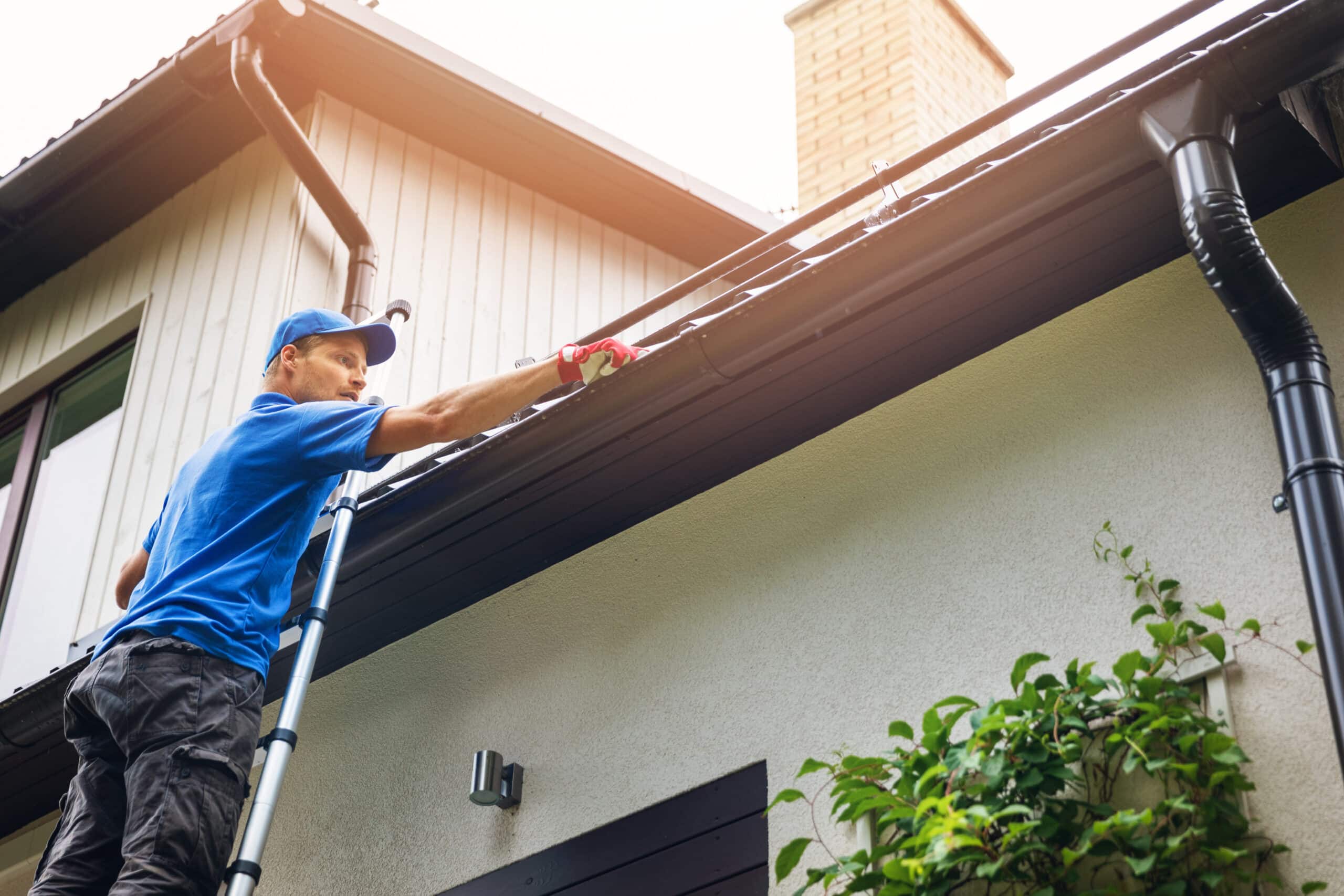
We assess gutters, downspouts and drainage, because an overflowing gutter is behind most of the rotted fascia and foundation water we find. Ask us about gutter repair or gutter guards if that is what the inspection turns up.
You receive a written report with dated, geotagged photographs and plain-language explanations, formatted so you can hand it straight to an insurance adjuster, a buyer or a listing agent.
Whether you are chasing a leak, checking after a hail storm or getting ahead of a home sale, start with facts rather than a guess. Storm Guard's St. Louis roof inspection is complimentary, documented and honest, including when the answer is that your roof has years left. If we do find storm damage, our storm damage team handles the repair, and we can tarp the roof the same day if it is open.








Storm Guard's roof inspection is complimentary, with no obligation and no pressure, and you keep the photographs and the written report either way. Paid inspections, typically 150 to 400 dollars in this market, generally come from home inspectors or engineers and are the right choice when you need a fully independent third-party opinion, for example in a dispute or a legal matter. For storm damage, a home sale or general peace of mind, a documented contractor inspection is usually all you need. Be cautious with anyone who inspects free and then finds damage on every single roof.
We look for the failures this region produces: hail bruising and granule loss, wind creasing at ridges and edges, cracked pipe boots, failed step and chimney flashing, lifted or missing shingles, damaged vents and skylights, and standing water on low-slope sections. Inside, we check the attic for daylight, moisture staining, inadequate ventilation and insulation issues that shorten roof life in Missouri humidity. We also check collateral evidence on gutters, downspouts, window wraps and air conditioning fins, because that is what dates a hail event.
Within a few weeks, and sooner if you saw hail larger than a quarter or found dents on gutters or air conditioning fins. Waiting is the single most expensive mistake St. Louis homeowners make after hail, because bruised shingles often do not leak for months and by then an insurer can reasonably argue the damage came from age rather than the storm. An inspection close to the event date gives you documentation tied to a specific storm, which is what a claim rests on. Missouri insurers generally have 15 working days to accept or deny once you submit all the required forms.
It is worth doing, because roofs are one of the most common inspection findings that derail a St. Louis closing, particularly on the older housing stock in St. Louis County where the median home dates to around 1969. Getting ahead of it lets you either make the repair on your own timeline or price the home knowing what a buyer's inspector will find, rather than renegotiating under deadline. We provide a written report with photographs and remaining service life that you can share with your agent or a buyer.
It is negotiable, and in the St. Louis market it usually lands one of three ways: the seller repairs before closing, the seller credits the buyer at closing, or the price is adjusted to reflect the roof's condition. Which way it goes depends on the market and on how well the condition is documented, and a vague inspection note tends to cost a seller more than a specific written scope with photographs. If the damage is storm-related and within the policy period, it may be an insurance claim rather than a price concession, which is worth establishing before you start negotiating.
Unless otherwise noted, each use of "Storm Guard," “us,” “we,” or “our” throughout Stormguardrc.com collectively refers to both the Storm Guard brand and the Storm Guard Franchise System, which is made up almost exclusively of independently owned and operated franchise locations.