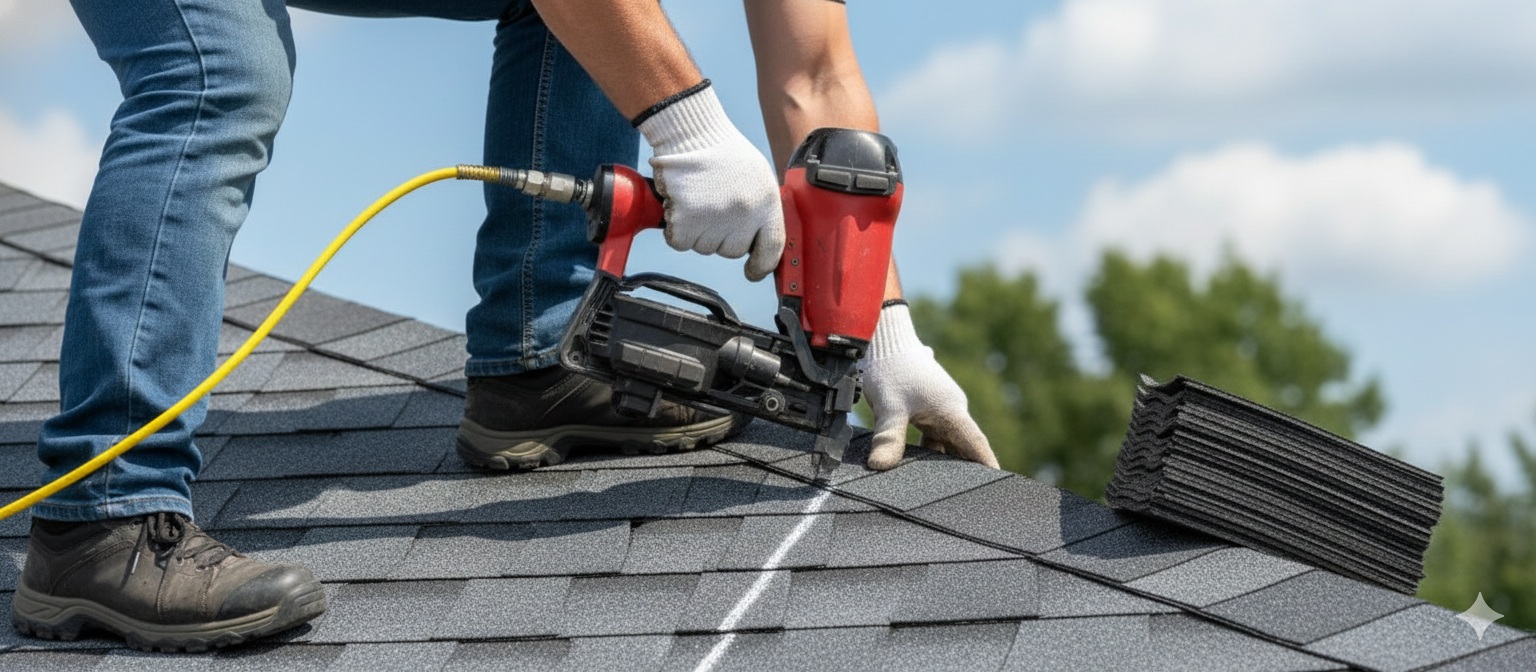
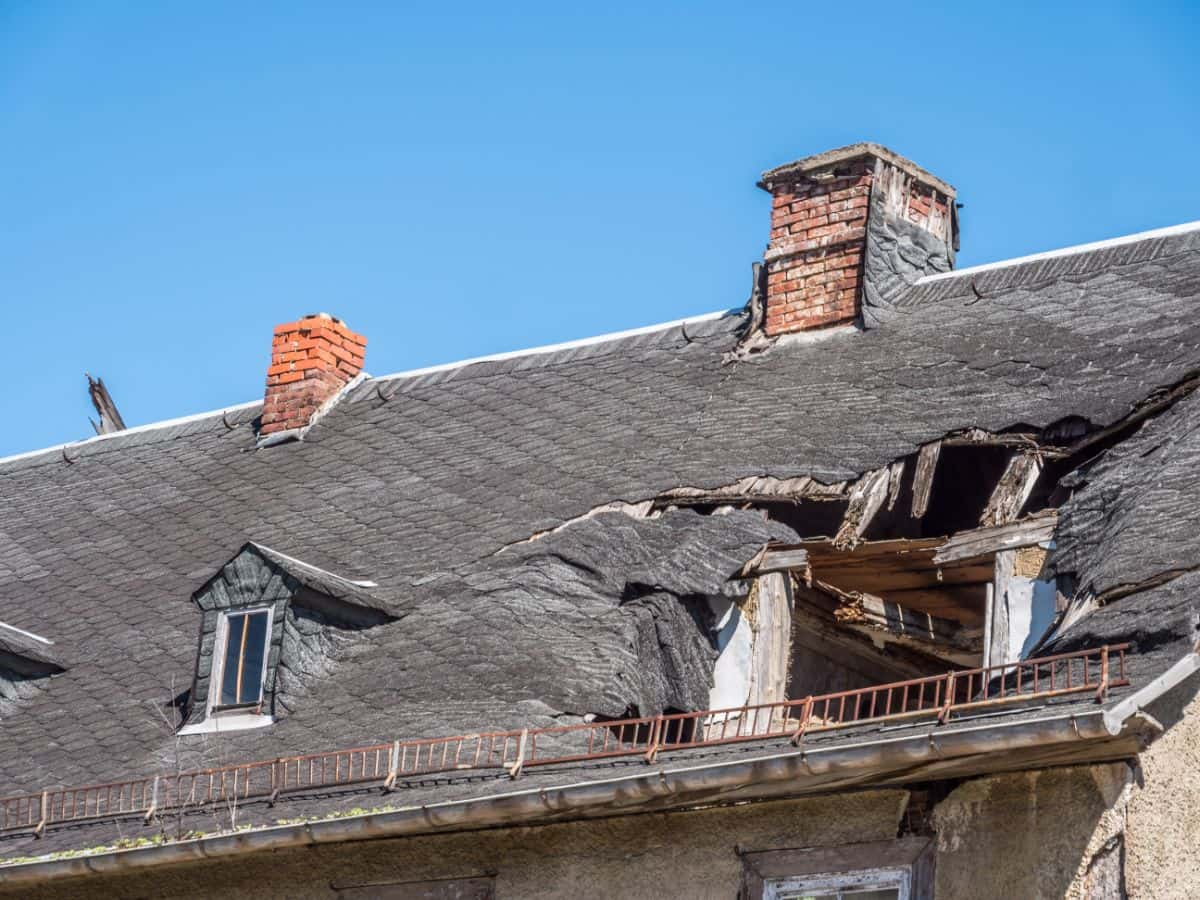
A recent storm can leave a roof compromised in ways that are not always obvious from the ground. A reliable storm damage roof repair starts with a clear, honest assessment of what happened, so you can make an informed decision instead of guessing.
But to achieve that, your initiative as a responsible homeowner is needed. Hire a professional inspection to assess hail, wind, or debris damage. Document every issue with photos. File your insurance claim as soon as possible. Work with a qualified roofing contractor who can provide carrier-consistent documentation. Acting quickly reduces the chance that a hidden problem turns into a larger repair.
Storm Guard is a nationally backed roofing and restoration company with 20+ years of experience helping homeowners through storm damage repairs and the insurance claim process. Find your local Storm Guard to schedule an inspection.
According to Verisk and the Insurance Institute for Business & Home Safety, U.S. storm damage roof repair and replacement costs totaled nearly $31 billion in 2024, with wind and hail driving more than half of all residential claims.
Hail damage on roofs includes dented and cracked shingles, knocked-loose granules that protect the underlayment from UV and moisture, and bruises or punctures on soft metal like vents, flashing, and gutters. Severity depends on hail size, wind speed, and the age of the roofing material.
Wind damage often shows up as lifted, curled, creased, or missing shingles. According to GAF’s technical documentation, wind can break the factory-applied adhesive seal beneath a shingle tab, letting it lift, crease, or blow off entirely. A shingle does not have to go missing to count as wind damage: a broken seal alone can leave a section vulnerable to wind-driven rain.
Fallen branches can puncture decking or crack tiles outright, and debris collecting in valleys and gutters creates pooling that speeds up wear and tear.
Not all storm damage is visible from the ground. A professional inspection catches what the eye misses, including compromised underlayment and hidden moisture. See how to tell if hail has damaged your roof for a closer look at the signs.
Knowing what to look for, both outside and inside your home, helps you decide whether it’s time for a professional inspection.
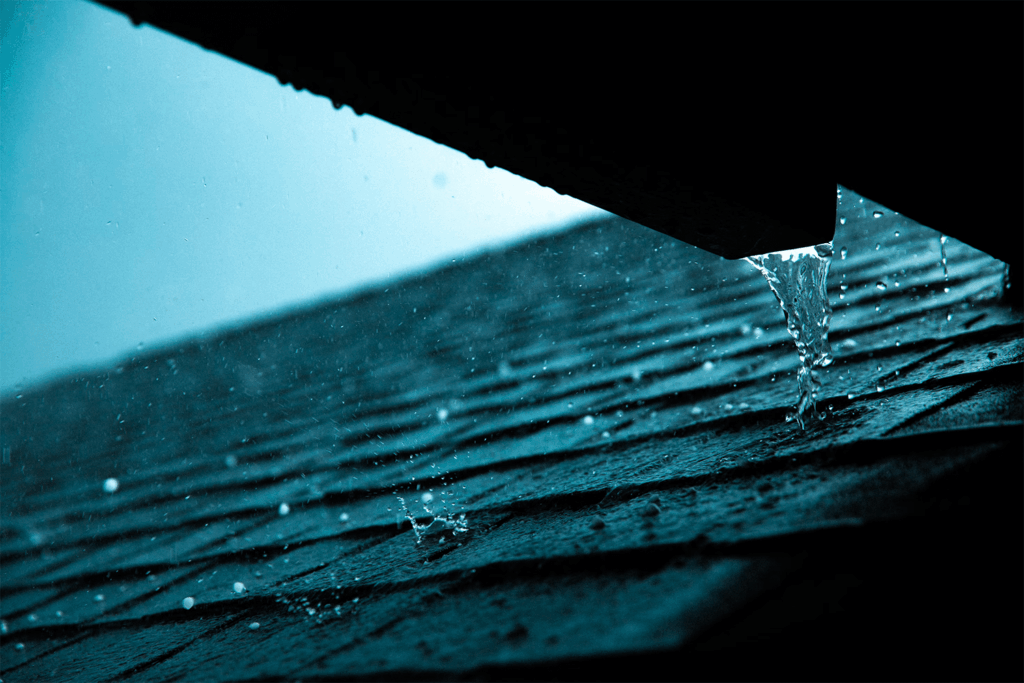
According to a 2024 survey by This Old House, 40% of homeowners who completed roofing projects cited weather or storm damage as the primary driver, and 58% described the damage as urgent. Timing matters as much as spotting the signs: an estimated 65% of homeowners do not identify storm damage until weeks or months later, by which point secondary damage like leaks and mold has already compounded the repair.
Check more than the roof. Siding, windows, gutters, and exterior paint often sustain damage in the same storm, and documenting all of it supports a more complete insurance claim for roof damage.
What you do in the first hours and days after a storm can limit how much the damage spreads. Here’s the order that matters most:
We answer the phone 24/7, so you can call us anytime to schedule an inspection. As soon as it’s safe to do so, our team will visit your property to perform a damage assessment for free; upfront investment required.
See our emergency roof repair steps for more detail on the first 24 hours.
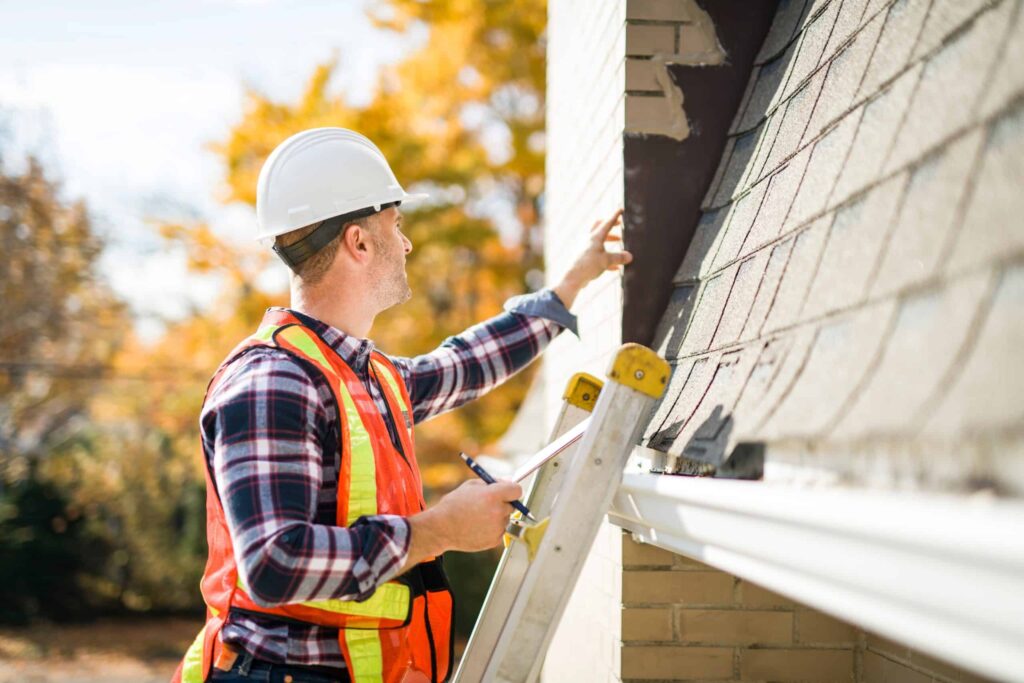
Our team performs a thorough, ground-to-ridge inspection covering shingles, flashing, vents, gutters, skylights, and attic space. We use geotagged photos and estimating software built to align with what insurance companies and their adjusters expect, so the documentation is usable from day one.
Repairs range from targeted shingle replacement and flashing repair to full-section restoration, and every repair follows current building code requirements rather than the minimum fix.
We work with manufacturers including CertainTeed and Owens Corning across asphalt, architectural, and impact-resistant shingle lines, as well as flat roofing systems, and material selection is guided by what the roof actually needs and what the policy covers.
The duration of most storm damage repairs after insurance approval may vary, but make sure to coordinate with the homeowner’s schedule to keep disruption to a minimum. We back our work with industry-leading warranty, alongside manufacturer material warranties that vary by product.
Additionally, while we do not negotiate with adjusters on our clients’ behalf, we put our years of experience in storm damage assessment and documentation to work to make the insurance process easier once you file your claim. Schedule a free roof inspection to see exactly where your roof stands.
Filing a storm damage claim does not have to be confusing if you know the sequence:
Keep in mind that Storm Guard is not a licensed insurance adjuster. We do not interpret policy language or negotiate claim settlements. Your insurance carrier determines coverage under the terms of your policy.
Claim windows, documentation requirements, and coverage decisions vary by carrier and by state, so always confirm the specifics against the policy itself. According to Verisk, non-catastrophic wind and hail roof claims grew from 17% of all residential claims in 2022 to 25% in 2024, meaning even smaller storm events are prompting more homeowners to file. A professional roof damage assessment is the starting point for building a claim an insurer can act on.
Repair typically makes sense for damage localized to one roof plane, on a system under 10 years old, with the structural deck intact.
Replacement for a storm-damaged roof makes more sense when shingle loss is widespread, there’s structural compromise like sagging or cracked decking, or the roof is nearing the end of its expected lifespan. Asphalt shingles typically last 15 to 22 years depending on climate severity, and according to Verisk, roofs with less than four years of useful life remaining sustain 50% more damage in severe weather than roofs with eight or more years left.
| Consider repair if… | Consider replacement if… |
| Damage is limited to one roof plane | Damage spans multiple sections |
| Roof is under 10 years old | Roof is near or past its expected lifespan |
| Deck and structure are sound | Deck shows sagging or cracking |
| Repair cost is well under replacement cost | Repair cost approaches half of replacement cost |
Costs vary by roof size, material, and extent of the damage, so a professional assessment is the best way to know where things stand. We lay out both options with clear reasoning, and the homeowner makes the final call. Schedule a trusted consultation today to get that assessment started.
Storm damage does not have to mean guesswork. A documented inspection shows exactly what happened to a roof and what the options are, and having that in hand makes the insurance process more straightforward from day one. Contact Storm Guard for a free, no-obligation roof inspection and find out where your roof actually stands.
Look for dented, cracked, or missing shingles, granule buildup in gutters, dented metal flashing or vents, and water stains on interior ceilings. Many signs are not visible from the ground. A professional roof inspection is the most reliable way to identify all storm-related damage, including hidden moisture underneath the surface.
Yes, if a professional inspection confirms damage that exceeds normal wear and tear. Most homeowners insurance policies cover storm and hail damage to roofs. Coverage depends on the policy and the cause of damage. If filing, contact the insurance company promptly and follow the reporting requirements in the policy. Photos, measurements, and repair documentation can help an insurer evaluate the damage.
The timeline depends on the extent of the damage and how quickly insurance approval comes through. Minor repairs like shingle replacement can be completed in a day. Larger projects involving structural work or full sections typically take a few days to a week once materials are sourced and the claim is approved.
Temporary measures like placing a tarp over an exposed area are appropriate for preventing further water intrusion. Permanent repairs should be handled by a licensed roofing contractor. Professional work helps ensure code compliance, preserves manufacturer warranty coverage, and provides the documentation needed for an insurance claim.
Most standard homeowners policies cover hail damage to roofs, minus the deductible. Coverage depends on the policy type, roof age, and material. An insurer will send an adjuster to assess the damage. A contractor’s documentation package that aligns with carrier standards can help ensure the claim reflects the full scope of repairs needed.
Costs vary significantly based on roof size, material type, extent of the damage, and local building codes. Because each project is unique, a professional damage assessment is the most accurate way to determine the scope and cost of repairs. Storm Guard provides free damage assessments with no upfront investment required.




Unless otherwise noted, each use of "Storm Guard," “us,” “we,” or “our” throughout Stormguardrc.com collectively refers to both the Storm Guard brand and the Storm Guard Franchise System, which is made up almost exclusively of independently owned and operated franchise locations.