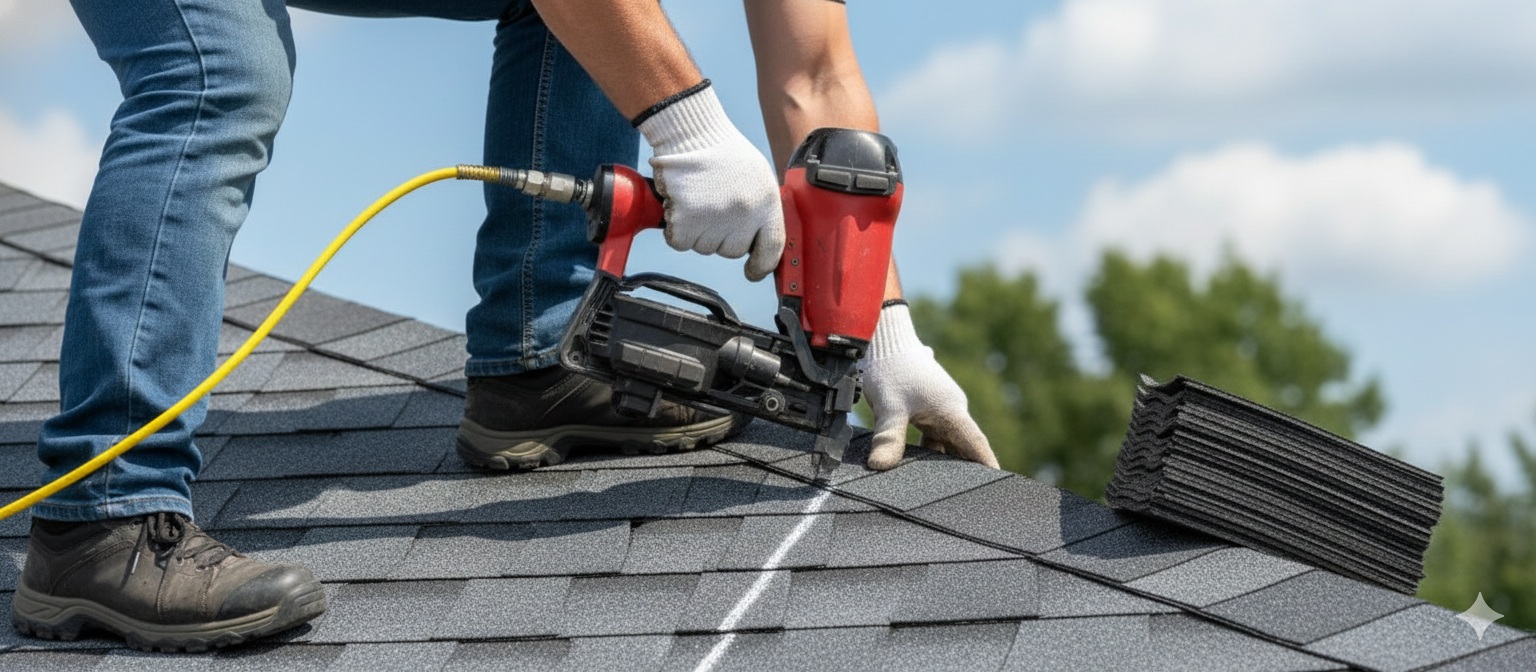
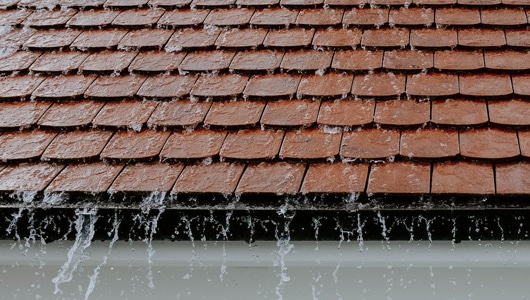
A roof leak rarely waits for a convenient time to show up. The good news: most roof leaks are repairable, not a sign that you need a full roof replacement.
Most roof leaks trace back to damaged shingles, worn flashing, or cracked pipe boots. According to ConsumerAffairs, roof leak repairs typically cost $390 to $1,970, depending on the extent of the damage. Finding the source early and calling a licensed contractor keeps water from spreading into insulation, framing, and drywall.
Storm Guard’s national network of roofing professionals has spent 20+ years diagnosing and repairing leaks caused by storms, aging materials, and deferred maintenance. This guide covers what causes a leak, how to spot one, what professional roof repair typically costs, and when it is time to call in help.
Most roof leaks come from damaged or missing shingles, failing flashing, or worn pipe boots, though leaks at valleys and ice dams also let water in. Wind, hail, and age are the most common triggers. Because storm damage is often not visible from the ground, a professional inspection is the most reliable way to confirm the cause.
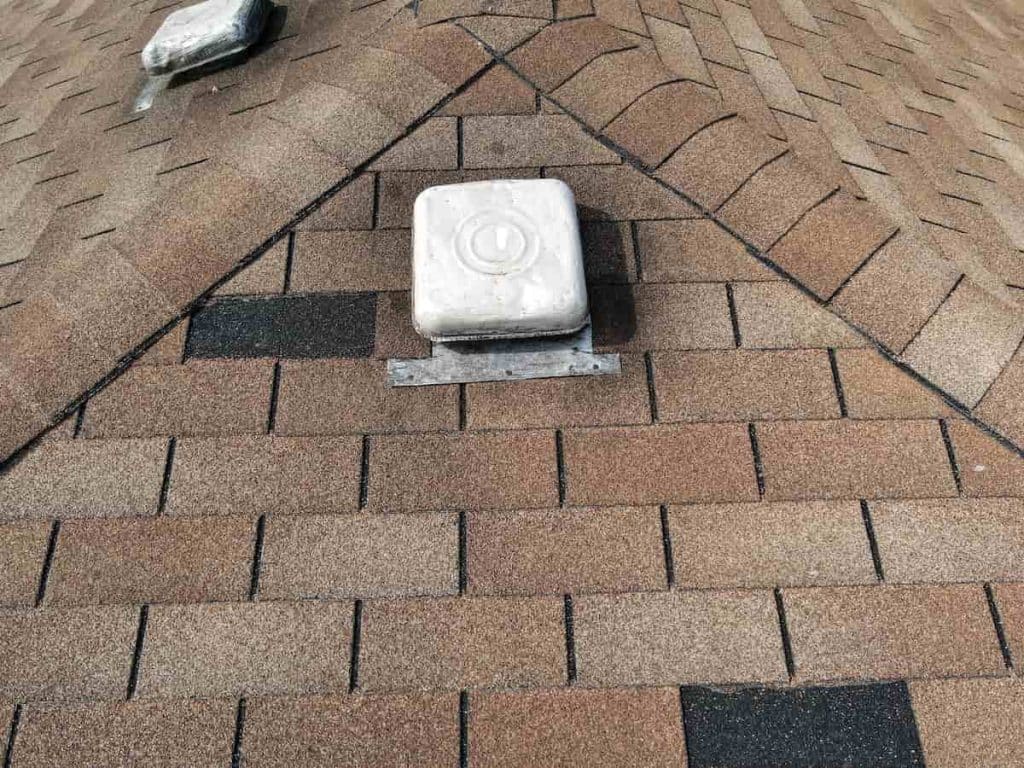
Wind is the most frequent culprit. It lifts shingle tabs, breaks the seal underneath, and leaves a gap for water once the wind dies down. Hail can fracture or bruise shingles without knocking them loose, so the damage is easy to miss during a quick look from the ground. In colder climates, ice dams form when heat from the attic melts snow unevenly, and the meltwater backs up under the shingles at the eaves.
Flashing is the metal installed at roof joints, such as chimneys, skylights, and dormers, to keep water out. Flashing corrodes, separates, or is installed incorrectly during the original roof job, and any of those failures opens a path for leaks.
A pipe boot is the rubber collar that seals a vent pipe where it passes through the roof. UV exposure breaks down that rubber in about 10 to 15 years, and once it cracks, water gets in.
Roof valleys, where two roof planes meet, leak when they are poorly sealed or clogged with debris that channels water under the shingles.
Age plays a role too. Roofing material nearing the end of its expected lifespan is more vulnerable to all of the above. More durable materials can last for more years, even decades, but even the premium, expensive ones are not immune to time, wear, and tear.
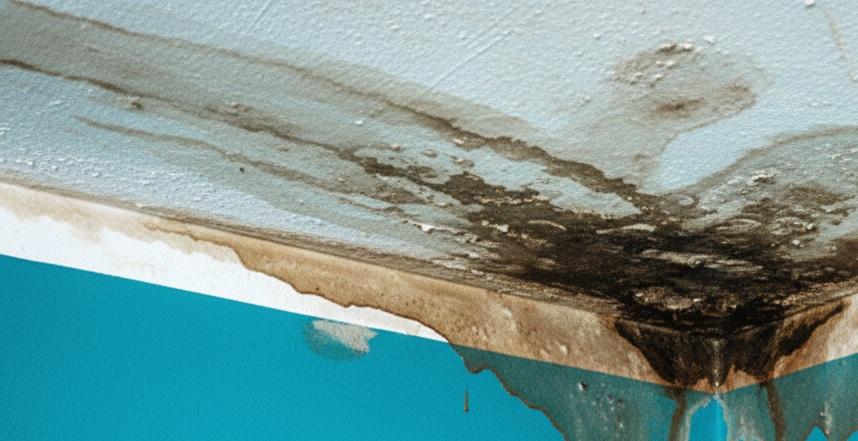
Roof leaks show up as water stains or peeling paint on ceilings, musty odors in the attic, and wet or discolored insulation. Outside, look for missing or curled shingles, cracked flashing, rusted pipe boots, and granules collecting in the gutters. Any of these signs is worth a closer look:
Inside the home, water stains on ceilings or walls, peeling paint, and bubbling drywall are the most common signs. These often pair with a musty smell on the upper floors or in the attic.
In the attic, check for wet or discolored insulation, damp rafters, and any spot where daylight comes through the roof deck. Those point to water intrusion even if nothing shows downstairs yet.
From the outside, missing or curled shingles, cracked flashing, and rusted pipe boots are visible warning signs. Granules collecting in the gutters point to advanced shingle wear, as shingles shed more granules as they age.
According to the Environmental Protection Agency, mold can begin growing within 24 to 48 hours of water exposure.
That is part of why an annual roof inspection matters. Catching these signs early, before a visible leak develops, costs far less than waiting.
Roof leak repair costs vary by the type and extent of the damage. Angi’s 2026 estimates put most repairs between $360 and $3,000, covering shingle replacement, flashing repair, and pipe boot replacement, with emergency tarping running about $450.
The table below summarizes typical repair costs by type, based on Angi’s 2026 estimates. Actual cost depends on your roofing material, the leak’s location, accessibility, and the extent of the damage.
Keep in mind that these are national averages, not Storm Guard pricing, since a personalized quote requires an on-site assessment.
| Repair Type | Estimated Cost Range | Source |
| Overall roof leak repair | $700 to $3,000 (many homeowners pay around $900) | Angi, 2026 |
| Shingle repair or replacement | $360 to $1,750 | Angi |
| Flashing repair | $200 to $500 | Angi |
| Roof vent or pipe boot replacement | $250 to $600 | Angi |
| Emergency roof tarping (temporary) | About $450 average | Angi |
| Valley repair | Varies significantly; requires inspection | Requires inspection |
A few notes on the numbers above. Shingle repairs cover replacing a few damaged or missing shingles when the surrounding roof is in good condition; larger areas of damage cost more. Flashing repair addresses the metal around chimneys, skylights, vents, and other penetrations, though cost can climb depending on location and scope. Vent and pipe boot replacement often requires opening the surrounding roofing material to properly remove the old boot and seat the new one.
Valley repairs do not have a fixed cost because the work may involve shingles, flashing, underlayment, or a combination of these. Only a professional inspection can scope it accurately.
Emergency roof tarping is a temporary measure, not a permanent fix. It protects the opening from further water intrusion until permanent repairs can be made safely.
No roof leak falls neatly into a single national average. See our guide to roof sealant options for minor, manageable issues, though a personalized estimate still requires a look at your specific roof and damage.
Hail and wind damage is not always visible from the ground, since impact can fracture a shingle’s protective mat without displacing the shingle itself. The resulting leak may not appear for weeks or months. Homeowners insurance typically covers this kind of sudden storm damage, though coverage details vary by carrier and by state.
Hail impact and wind uplift are common causes of leaks that take time to surface. A hailstone can fracture the mat beneath a shingle’s surface without knocking the shingle loose. The roof looks fine from the driveway, while damage is already spreading underneath.
According to Water Damage Advisor, roughly 1 in 50 insured homes file a water damage claim each year. A meaningful share of these claims trace back to storm-damaged roofs that were never inspected after the storm passed.
Homeowners insurance typically covers roof leaks caused by sudden events like storms, hail, or falling trees. Leaks from ordinary wear, deferred maintenance, or aging materials are generally excluded. Coverage details, deadlines, and requirements vary by carrier and by state, so confirm the specifics of your own policy with your insurer.
Documentation matters as much as the repair itself. Photograph the damage from the ground and, if it is safe, from the attic. Save any weather reports for the date of the storm, and note the date the damage was discovered.
While Storm Guard is not a licensed insurance adjuster and does not negotiate or manage a claim on your behalf, we can offer guidance. Our role is to document the damage through a free assessment and to complete the approved emergency roof repair once your insurer has reviewed it.
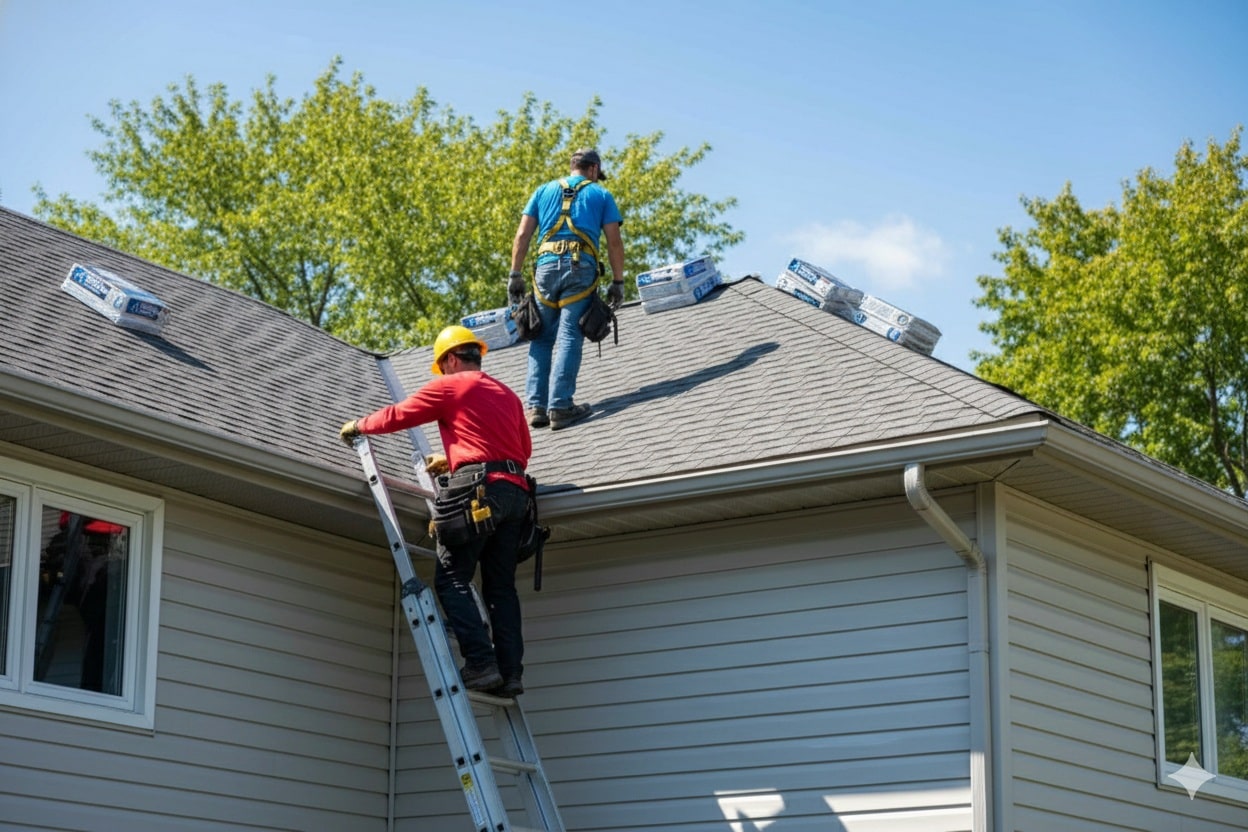
We highly recommend you avoid fixing a roof leak on your own.
Instead, place containers under active drips, move belongings away from the water, and lay tarps on the floor to protect flooring and furniture. Stay off the roof during a storm or while it is wet. No repair is worth a fall.
Once the weather clears, contact your local Storm Guard for emergency tarping and an assessment. Storm Guard is available around the clock to schedule that call, though crews wait until conditions are safe before heading up on the roof.
After the storm passes, a professional assessment determines whether the leak needs a targeted repair or points to more extensive damage. Photograph everything for your insurance records before you start any cleanup or temporary fixes.
DIY patches like caulk or sealant tape mask the symptom of the leak without fixing the underlying damage to the deck, underlayment, or flashing. A tube of caulk or a strip of sealant tape can stop a drip for a while, but it does not address whatever let the water in. That damage keeps sitting under the patch. Roof work also carries a fall risk, which is one more reason a trained crew with the right equipment is worth the call. DIY repairs can also void manufacturer coverage.
On the other hand, a professional repair starts with a full inspection that catches secondary damage a homeowner cannot see from the attic or the roof’s surface. It also keeps the manufacturer’s warranty coverage intact.
A professional assessment from Storm Guard costs nothing upfront, so there is no financial risk in finding out what your roof actually needs. Nearly 6 million homes nationwide are affected by leaking roofs, according to a 2023 American Housing Survey analysis covering the 15 largest U.S. metro areas. Many of those leaks could have been caught earlier with a routine inspection.
If your roof is leaking or you just want a second opinion after a storm, find your local Storm Guard for a free, no-obligation roof inspection.
Most roof leaks can be repaired without a full replacement. Isolated damage to shingles, flashing, pipe boots, or sealant is typically a targeted repair. When damage is widespread, covers multiple areas, or the roof is near the end of its life, replacement is usually more cost-effective. A professional inspection determines which approach fits your situation.
Roof leak repair costs vary based on the type of damage and roof material. According to ConsumerAffairs, industry averages range from $390 to $1,970 for common repairs such as shingle replacement, flashing fixes, and pipe boot sealing. More complex repairs, like valley or chimney leaks, cost more. A professional assessment provides an accurate estimate for your specific roof.
Place containers under active drips, move belongings away from the water, and lay tarps on the floor to protect surfaces. Do not go on the roof during a storm. Once conditions are safe, contact a roofing contractor for emergency tarping and a damage assessment.
Homeowners insurance typically covers roof leaks caused by sudden events such as storms, hail, or fallen trees, though coverage varies by policy and carrier. Leaks from normal wear, deferred maintenance, or aging materials are generally excluded. Document the damage with photos immediately and contact your insurance provider to confirm your specific coverage.
Simple repairs, like replacing a few shingles or resealing a pipe boot, can be completed in a few hours. More involved work, such as flashing replacement, valley repairs, or emergency tarping, may take a full day. The timeline depends on the scope of damage, roof accessibility, and weather conditions.
Common signs include water stains on ceilings, peeling paint, musty odors in the attic, wet or discolored insulation, and visible mold growth. Exterior indicators include missing shingles, rusted flashing, and granules in the gutters. Annual roof inspections catch damage before a leak develops.




Unless otherwise noted, each use of "Storm Guard," “us,” “we,” or “our” throughout Stormguardrc.com collectively refers to both the Storm Guard brand and the Storm Guard Franchise System, which is made up almost exclusively of independently owned and operated franchise locations.