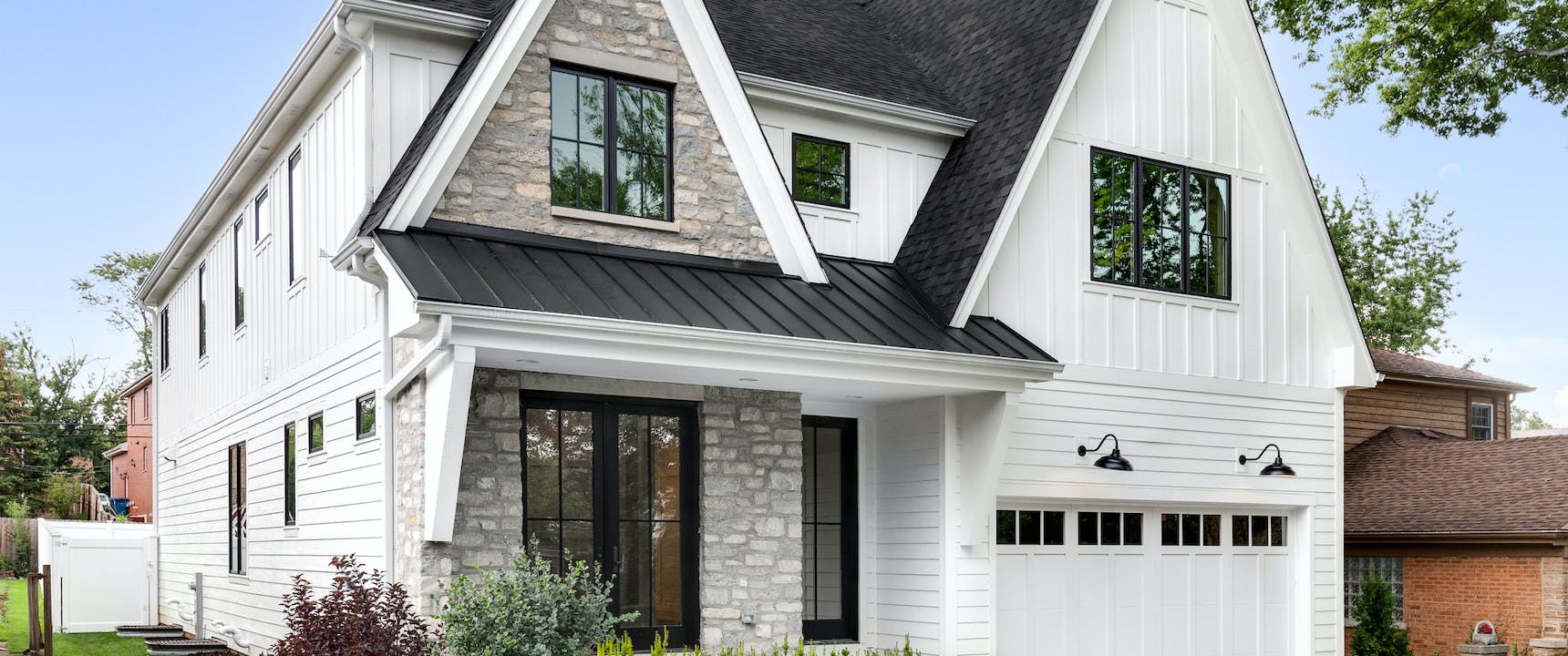
You don’t need a full replacement to restore faded vinyl siding. Painting it costs a fraction of the price. Just follow the rules: use 100% acrylic vinyl-safe paint, avoid darker colors, prep thoroughly, and paint in mild weather. Ignore them, and you risk warped panels or a voided warranty.
This guide covers how to paint vinyl siding the right way, step by step. Plus, Storm Guard Roofing shares what the paint companies leave out: when a repaint buys you time, and when replacement is the smarter spend.
Vinyl siding can be painted as long as the panels are sound, the paint is formulated for vinyl, and the color isn’t darker than the original. Painting is a solid way to refresh faded siding or update a dated color without the cost of a full replacement.
Keep these three rules in mind before starting:
Painting is a smart, cost-effective choice if your siding is still in good structural shape.
Watch for these clear visual cues that your siding’s finish is wearing down:
The safest choice for vinyl siding is a 100% acrylic latex exterior paint labeled vinyl-safe, in a color that matches or is lighter than the original. Get the paint formula and color right, and the rest of the job is ordinary prep and painting.
Vinyl-safe paint is an exterior acrylic formulated to stay flexible on vinyl while keeping panel temperatures in a safe range. Major paint makers offer vinyl-safe color palettes, including darker shades engineered to resist warping. Avoid oil-based paint, as it turns rigid and cracks as vinyl moves. Many vinyl-safe paints are self-priming on clean, sound siding.
Light reflectance value (LRV) measures how much light a color reflects, on a scale from 0 (black) to 100 (white). Low-LRV colors absorb more heat. Since vinyl expands as it heats up, dark paint can push panels past their limits, causing warping, buckling, or loose boards. The rule is simple: stay at or above your original color’s lightness unless the paint is specifically rated for darker colors on vinyl.
Choose a color you will still like in 10 years. Neutrals, soft grays, warm whites, and muted earth tones age well and show less fading. Test large samples on both a sunny wall and a shaded wall, and check them against your roof and trim. If you are weighing a bigger change in look or material, compare the types of exterior siding before you buy paint.
To paint vinyl siding, repair any damage, wash and fully dry the panels, mask off trim and fixtures, prime only where needed, and apply thin, even coats of vinyl-safe paint in mild weather. Prep takes longer than painting, and it determines how long the finish lasts.
Gathering the right supplies ahead of time ensures a smooth, efficient project from start to finish.
Thorough prep work is the single most important step for a paint job that lasts.
Once your surface is clean and dry, follow these steps to achieve a smooth, even finish.
Choose a dry, calm, mild day, and always check the temperature range on your paint label. Benjamin Moore, for example, advises against painting below 40°F, in direct sunlight, or on surfaces hot to the touch. Skip days with evening dew or rain in the forecast, and let the final coat cure fully before washing your siding.
Painting costs far less upfront than replacing vinyl siding, but it only works if your panels are structurally sound. Paint changes color. It does not fix cracked, brittle, or storm-damaged siding.
Your price depends on total wall area, house height, and needed surface prep or repair. For replacement, costs also depend on the product line, trim details, and any underlying sheathing repairs. Always get written quotes for both options before deciding.
A trusted consultation from your local Storm Guard Roofing team checks the condition of your siding and provides a written estimate for the option that best fits.
If your siding shows any of these warning signs, replacement is the smarter investment:
Storm damage deserves extra care. Painting over cracked or dented panels before documenting the damage makes it harder to file a claim. Have the siding inspected first. Storm Guard Roofing provides a photo-documented inspection report for your insurer. Coverage depends on your policy, so check with your insurance carrier directly.
Learn more about storm and hail damage repair, or explore the vinyl siding options we install if replacement is your best path.
Use this quick guide to compare how painting and replacement stack up across key factors like cost, lifespan, and protection:
| Factor | Repaint | Replace |
|---|---|---|
| Upfront cost | Lower: labor, paint, and prep | Higher: new panels, tear-off and disposal, trim, and installation labor |
| Expected life | 7 to 10 years for exterior paint (InterNACHI) | Decades for new siding |
| Fixes damage | No | Yes |
| Warranty | May void the existing siding warranty | New product warranty |
| Resale return | Curb appeal refresh | Vinyl replacement recouped 96.5 percent at resale (2025 national average) |
A one-story home with sound siding is a manageable DIY project, but multi-story homes and siding with any damage are best left to a pro. Most failed vinyl paint jobs trace back to a few common missteps.
Watch out for these frequent pitfalls before taking on the project yourself:
Bring in a professional for multi-story walls, steep grades, damaged siding, or a tight timeline. A pro also inspects your siding first, so you don’t waste money painting panels that need replacing. Storm Guard Roofing offers exterior painting services as well as siding repair and replacement, so you get one honest recommendation.
A quick professional inspection shows whether your vinyl siding is a good candidate for paint or ready for replacement. Find your local Storm Guard Roofing team and schedule a trusted consultation.
A quality paint job on vinyl siding typically lasts around 7 to 10 years, in line with InterNACHI’s life expectancy estimate for exterior paint. Strong sun, darker colors, and poor prep shorten it. Treat a repaint as a mid-term refresh. When the siding itself is failing, replacement is the permanent fix.
Yes. Vinyl siding can be painted as long as it is in sound condition. Use 100% acrylic vinyl-safe paint. Do not go darker than the original color unless the paint is rated for dark shades. Painting a shade too dark can warp the panels.
Use a 100% acrylic latex exterior paint labeled vinyl-safe. These paints are formulated to flex with the vinyl and to limit heat buildup so panels do not warp. Avoid oil-based paint, which cracks and peels on vinyl. Many vinyl-safe paints are self-priming on clean, sound siding.
Only if the paint is specifically rated for darker shades on vinyl. Dark colors absorb more heat, and standard paint can cause the panels to expand, warp, and pull loose. Vinyl-safe lines offer darker colors engineered to resist this, but matching or going lighter than the original is the safest choice.
It often does. Some manufacturers, including CertainTeed, void the warranty on vinyl siding painted or coated without their authorization. Check your manufacturer’s warranty before you paint, and if the siding is still covered, weigh whether a repaint is worth losing that protection.
Painting is far cheaper upfront than replacing. But paint does not fix cracked, brittle, or storm-damaged panels, and exterior paint typically needs redoing in 7 to 10 years. If the siding is failing or damaged, replacement is the better long-term investment. An inspection tells you which makes sense.
A quality vinyl-safe paint job typically lasts about 7 to 10 years before it needs refreshing. Sun exposure, dark colors, and poor surface prep shorten that. Replacement siding lasts decades, so treat a repaint as a mid-term refresh rather than a permanent fix.




Unless otherwise noted, each use of "Storm Guard," “us,” “we,” or “our” throughout Stormguardrc.com collectively refers to both the Storm Guard brand and the Storm Guard Franchise System, which is made up almost exclusively of independently owned and operated franchise locations.