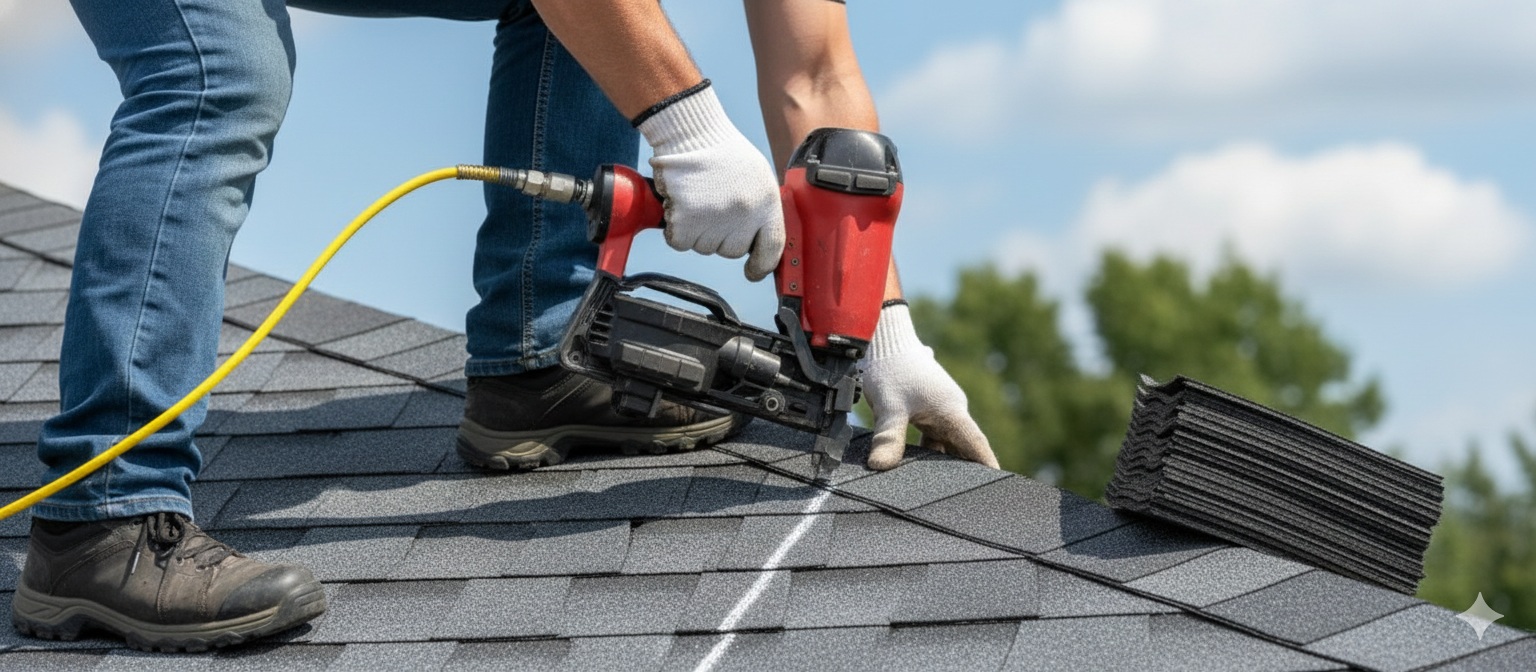

One of the great things about metal roof tile styles is the way they can replicate the look of traditional clay, concrete, or slate tile using lightweight steel or aluminum. And because most metal tile panels are more resistant to breakage than traditional tiles, they are a durable alternative for homeowners who want an aesthetic look but prefer a lighter roofing system.
Storm Guard has spent more than 20 years installing and inspecting metal roofing systems across the country. Our teams help homeowners compare metal tile profiles side by side and choose the right fit for their home and climate. We don’t just provide residential roofing services but also offer expert guidance when and where you need it.
Metal tile roofing uses stamped or formed metal panels engineered to replicate the profile of traditional tile, clay barrel, concrete flat, slate, or shake, while delivering the strength and light weight of metal. Manufacturers typically build these panels from 26-gauge galvanized steel or aluminum, and some products add a layer of natural stone granules bonded with acrylic for extra texture and weather resistance.
What makes a significant difference is the weight. Metal tile panels weigh approximately 50 to 150 pounds per roofing square (one square equals 100 square feet of roof area), while traditional clay or concrete tile can weigh 600 to 1,100 pounds for the same coverage, depending on the product. That difference often eliminates the need for structural reinforcement, which can otherwise cost $5,000 to $10,000.
Homeowners can also save money in the long run with metal tile. It typically lasts 40 to 60 years with proper maintenance, eliminating the need for frequent roof replacements. Clay tile can last 50 to 100 years, but it comes with more fragility and a higher maintenance burden along the way.
This isn’t a niche product. Metal tile is one of the fastest-growing segments in residential roofing, driven by homeowners who want the curb appeal of tile without giving up durability.
Metal roof options come in several distinct profiles, each built to replicate a different traditional look.
Barrel tiles replicate the curved profile of Mediterranean and Spanish-style clay tiles and are typically available in earth tones like terracotta, mocha, and auburn. Most metal barrel tile systems carry a Class 4 impact rating for hail and can withstand hurricane-force winds up to 130–160 mph. With the right coating technology, it can reflect most of the sun’s heat away from the roof to prevent the indoor temperature from rising.
Built around Mediterranean or Old World profiles, the flat and scalloped tile style offers the beauty of rhythmic texture and functionality. Their design facilitates excellent water runoff while maintaining structural rigidity. Some manufacturers offer stone-coated versions in more than nine colors with concealed fastening systems.
Stone-coated metal roof tiles are steel panels topped with natural stone granules bonded with an acrylic adhesive, combining metal’s strength with the texture of conventional shingles or traditional tiles. These systems use concealed fastener designs, and many manufacturers back stone-coated products with long-term warranties on both finish and substrate, so you can be confident in the material’s craftsmanship.
Stamped metal shingles are pressed panels that mimic slate, shake, or shingle profiles, typically in a lighter gauge, around .019 to .024 aluminum or 29-gauge steel. This type of metal roof tile features simpler flashing details than standing seam systems. They offer lasting weather and fire resistance and have an average lifespan of more than 40 years.
| Style | Material & Finish | Defining Feature | Typical Lifespan |
| Barrel tile (metal) | 26-gauge galvanized steel, GalvaTec + Kynar 500 finish | Class 4 hail, 130 mph wind rating (ProVia) | 40–60 years |
| Flat/scalloped tile | Stone-coated steel, 9+ colors | Concealed fastening, facilitates excellent water runoff | 40–60 years |
| Stone-coated tile | Steel + natural stone granules, acrylic-bonded | Textured, shingle-like appearance | 40–60 years |
| Stamped metal shingle | .019–.024 aluminum or 29-gauge steel | Simpler flashing, lasting weather and fire resistance | 40+ years |
The weight for metal tile roofing generally ranges from 50 to 150 pounds per square across these styles; exact figures vary by manufacturer and profile.

Metal tile runs 50 to 150 pounds per square. Clay tile runs 600 to 650 pounds per square, and concrete tile runs 900 to 1,100 pounds per square. According to Western States Metal Roofing, metal eliminates the $5,000 to $10,000 structural reinforcement cost that clay and concrete often require.
Clay cracks under impact from hail, fallen branches, or foot traffic. Metal resists that kind of impact, and many metal tile products achieve Class 4 hail ratings (UL 2218) with 120 to 140 mph wind resistance. Clay’s barrel-profile gaps can also allow rodent entry, which metal tile’s sealed profile avoids.
Clay needs regular inspection for cracked tiles and deterioration of the underlayment. Metal needs annual fastener and flashing checks plus gutter cleaning, with no tile-replacement cycle to plan around.
According to Western States Metal Roofing, metal tile runs roughly $8 to $15 per square foot installed, while clay runs $10.50 to $18.50 per square foot. Metal is comparable to, or lower than, clay once structural reinforcement costs are factored in.
With the right coating, metal roofs reflect more than 70% of solar heat, helping lower indoor temperature. Traditional tile has moderate thermal mass but lower reflectance.
Metal is 100% recyclable at the end of its service life. Clay and concrete tiles, though made of natural materials, often end up in landfills as they are not recyclable once cracked or broken.
| Metal Tile | Clay Tile | Concrete Tile | |
| Weight per square | 50–150 lbs | 600–650 lbs | 900–1,100 lbs |
| Installed cost per sq ft | $8–$15 | $10.50–$18.50 | Varies by market |
| Impact resistance | Rated as Class 4 on many products | Cracks under impact | Cracks under impact |
| Recyclable | 100% | No | No |
For homeowners in storm-prone regions, metal tile’s resistance to hail impact is a material fact worth weighing, not a scare tactic. It’s simply a different failure profile than clay.
This is where metal tile earns its place in a storm-damage conversation, and it’s an angle most roofing content skips entirely.
Some metal tile systems are designed and tested for high impact resistance, and certain products carry Class 4 ratings under UL 2218. Ratings vary by product, so it’s worth verifying the specific rating for the system being installed in your home.
Many metal tile products are rated for 120 to 140 mph winds, and concealed fastener systems help keep panels in place during severe weather by removing the exposed penetration points wind-driven rain can exploit.
Metal tile roofing systems are naturally non-combustible, earning them a Class A fire rating. They also prevent airborne embers from entering the attic, resist catching and spreading fire, and are less likely to suddenly collapse during a fire emergency.
Many insurers offer premium discounts for Class 4 impact-resistant roofing, which can lower premiums and reduce claim frequency over time. We can’t guarantee a specific discount or savings figure; that depends entirely on your carrier and policy.
After a storm, our teams inspect and document roof damage for insurance purposes. With metal tile, that conversation often shifts from “Does this need to be replaced?” to “Let’s confirm the roof held,” which is a meaningfully different homeowner experience.

Metal tile tends to make the most sense for a few specific situations. It’s a strong fit for homes in storm-prone or hot climates, for HOA communities that require a tile aesthetic, for homeowners who want 40 to 60 years of low-maintenance performance, and for structures that can’t support the weight of clay or concrete.
It may not be the right call if budget is your only priority, since asphalt shingles cost less upfront, or if you prefer a natural material regardless of the maintenance that comes with it. However, once you factor in the avoided structural reinforcement, lower maintenance, and longer intervals between roof replacements, the lifetime cost tends to favor metal.
Every roof and every home is different, though, so the most accurate way to get a number for your house is a free inspection and consultation rather than a generic online estimate.
Look for a contractor with metal roofing experience specifically, not just general roofing experience. Metal tile installation uses different techniques than asphalt or standing seam, and that experience gap shows up in the details.
A few things worth checking before you sign anything:
The right choice depends on your climate, your home’s structure, and the aesthetic your neighborhood requires, and a professional inspection is the clearest way to sort through those variables. Our local teams will assess your roof, compare your options, and give you a written scope at no cost or obligation.
Schedule a free inspection with Storm Guard to get started.
A metal roof tile is a steel or aluminum panel stamped or formed to replicate the profile of traditional clay, concrete, or slate tile. It delivers similar curb appeal at a fraction of the weight, typically 50 to 150 pounds per roofing square compared with 600 to 1,100 per square foot for clay or concrete.
Metal tile roofs typically last 40 to 60 years with routine maintenance. Many manufacturers back their stone-coated and painted metal tile products with long-term warranties covering both finish and substrate integrity.
Installed cost is comparable: metal tile runs roughly $8 to $15 per square foot, while clay tile runs $10.50 to $18.50. Metal often costs less overall because it eliminates the $5,000 to $10,000 structural reinforcement that heavy clay tile can require.
Many metal tile products carry a Class 4 hail rating (UL 2218) and wind resistance of 120 to 140 mph, though ratings vary by product. Traditional clay tile cracks under comparable hail impact, making metal tile a stronger option for storm-prone regions.
Some insurers offer discounts for impact-resistant roofing, but eligibility varies by carrier, policy, and location. Class 4 is the highest UL 2218 impact-resistance classification. Check with your insurer to see whether your roof qualifies.
Stone-coated metal tile uses a steel base topped with natural stone granules bonded with acrylic, giving it a textured, tile-like appearance. Stamped metal shingle is pressed from a single metal sheet to mimic slate, shake, or shingle profiles. Both are lightweight and durable; stone-coated offers more texture, and stamped offers a smoother finish.




Unless otherwise noted, each use of "Storm Guard," “us,” “we,” or “our” throughout Stormguardrc.com collectively refers to both the Storm Guard brand and the Storm Guard Franchise System, which is made up almost exclusively of independently owned and operated franchise locations.