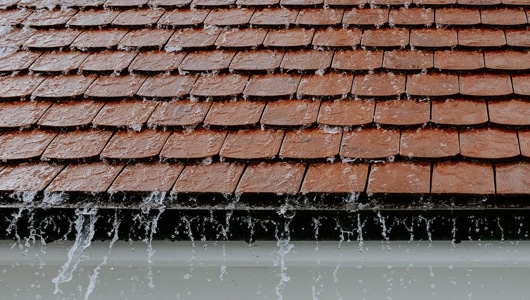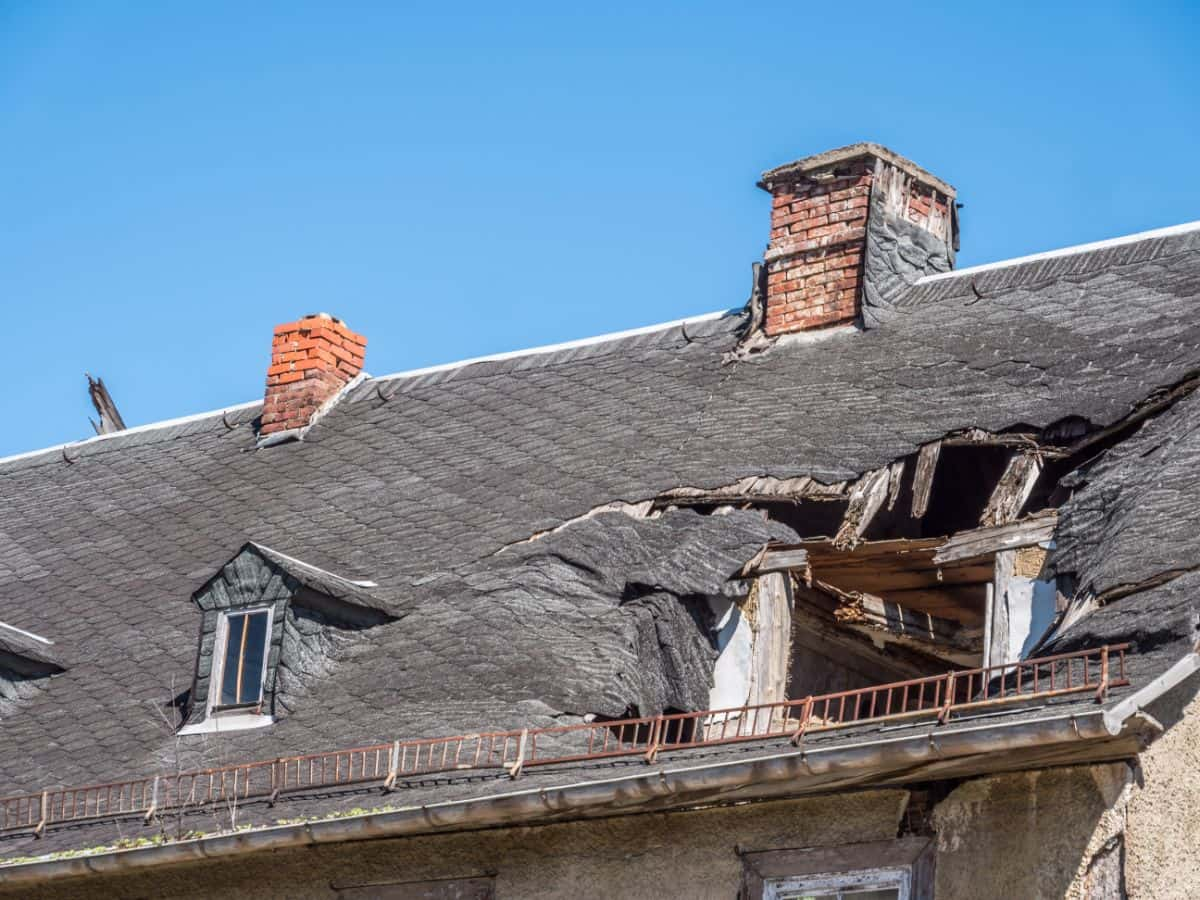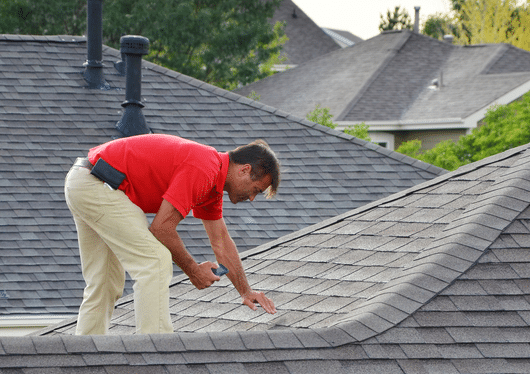

A common misconception is that once new shingles are nailed to your roof, the replacement is done and you’re good to go.
Not quite.
Before a roof replacement is considered fully complete, the asphalt shingles must form a seal. If this process doesn’t happen, they are prone to being ripped off by a gust of wind.
When roofers talk about a roof seal, they are not talking about shingles sealing to the roof deck itself, but rather they are describing how the shingles seal or bond to each other.
Each asphalt shingle has a strip of heat-activated adhesive running along its top. This adhesive, once properly activated by sun and heat, forms a bond with neighboring shingles. A well-bonded seal secures your roof and prevents shingles from being lifted up and away by wind.
The length of time it takes for shingles to seal will depend on the weather. The adhesive needs to be warmed to an ambient temperature near 70 degrees Fahrenheit. This can still be achieved even when the air temperatures are in the 40s because of solar radiance. It just might take two or three days to seal.
During this process of being exposed to sun and heat, the shingles relax and lay flat. They shouldn’t be disturbed. They will settle and seal on their own, if installed properly.
Another thing to be aware of when planning a roof replacement is that if temperatures are too high, the adhesive may warm too quickly and you could also run into problems. If you want to better understand how temperature impacts roof replacements, we have you covered.
For questions about roof repairs and replacements here in Austin, give our team of experts a call here at Storm Guard of SW Austin.
The sealant is a strip of heat-activated asphalt adhesive on each shingle. Sunlight warms it, it softens, and it bonds to the shingle above once the roof surface reaches roughly 70 degrees. Manufacturers such as GAF note there is no strict temperature cutoff for installing shingles, but the sealant does need warmth to activate, so the weather sets the pace.
In cooler months the sun may not warm the roof enough to seal the shingles right away. The bond can simply wait for the next warm, sunny stretch. Because an unsealed shingle is vulnerable to wind in the meantime, manufacturers call for hand-sealing on cold-weather, fall, and winter installs: the roofer places small dabs of roofing cement under each shingle so it holds until the sun finishes the job.
Done to the manufacturer’s instructions, hand-sealing does not affect your shingle warranty. It is simply how a careful crew protects a new roof through its first cold stretch.
Yes. In very high heat the adhesive can soften too quickly, and walking a freshly warmed roof can scuff or shift shingles. In peak summer, good crews start early in the day and handle the material with care, for the same reason they take extra steps in the cold.
A sealed shingle lies flat and resists a gentle lift at its bottom edge. An unsealed one lifts freely. Give a new roof time and leave it alone: no pressure-washing, no foot traffic, and no lifting shingles to peek underneath. Installed correctly, they settle and bond on their own, and a roof that has fully sealed is far better prepared for the next gust of wind.
Sealing doesn’t mean the shingles bond to the roof deck. Each asphalt shingle has a strip of heat-activated adhesive along its top that bonds it to the neighboring shingles, locking the roof together so wind can’t lift the shingles away.
It depends on the weather. The adhesive needs to warm to an ambient temperature near 70 degrees Fahrenheit, driven by sun and heat, and the shingles usually settle and seal on their own within a couple of days if installed properly.
Yes. Even when air temperatures are in the 40s, solar radiance can warm the adhesive enough to form a bond. It may just take two or three days rather than sealing right away.
Until the shingles bond to each other, they can be lifted and ripped off by a gust of wind. A roof replacement isn’t considered fully complete until the shingles have sealed.
Yes. If temperatures are too high, the adhesive can warm too quickly, which can cause problems, so very hot weather is something to plan around just like cold weather.




Unless otherwise noted, each use of "Storm Guard," “us,” “we,” or “our” throughout Stormguardrc.com collectively refers to both the Storm Guard brand and the Storm Guard Franchise System, which is made up almost exclusively of independently owned and operated franchise locations.