
Beyond home aesthetics and scenic views, windows are essential for your property’s overall comfort and efficiency. However, like any frequently used component, they can deteriorate over time as they endure continuous exposure to the elements.
When this happens, it can leave homeowners like yourself at a crossroads: should I patch up my old windows or invest in new ones?
That’s where this blog can help. We’ll help you decide between window repair vs. window replacement, discussing key considerations like cost, longevity, and performance so you can make the best choice.
Let’s start by identifying the telltale signs that window repair services are necessary.

When caught early, small cracks or chips in the glass can typically be addressed through targeted repairs rather than a total window replacement. Fixes may involve applying a special resin to the damaged area to restore glass integrity and prevent further deterioration. This approach helps you save money, time, and resources without compromising quality and appeal.
Weatherstripping seals gaps around windows and doors to prevent air leaks. When worn or damaged, it affects only the insulation, not the entire window structure. If the window frame and glass are in good condition, replacing the weather stripping is enough to restore energy efficiency, prevent drafts, and improve indoor air quality.
Locks, handles, and hinges can experience wear and tear, corrosion, accidental damage, or misalignment over time. Repairing them by lubricating internal mechanisms, tightening screws, adjusting hinges, or replacing the hardware entirely can enhance the security, functionality, and overall performance of your windows, avoiding the cost and hassle of a full replacement.
Considering the higher cost and effort associated with window replacement, recognizing the signs that make it the only viable solution is essential to avoid unnecessary expenses.
One of the strongest signs of window damage that needs replacement is when you frequently feel drafts or find it hard to keep your home warm in the winter or cool in the summer. The windows no longer provide a barrier against external elements, thus increasing energy consumption and discomfort in your home. Replacing your windows will provide a long-term solution to these issues.
When window frames exhibit significant warping, rotting, or breakage, structural integrity is compromised, making repairs insufficient. These problems lead to drafts, water damage, weakened support, and security concerns, making complete replacement the most effective solution.
Modern windows are designed with your home’s energy efficiency in mind, a feature absent in older windows that causes higher energy bills and less comfortable living spaces. Upgrading to windows with double or triple glazing, insulated frames, or low-E coatings will provide both financial savings and improved home comfort.
To effectively decide between window repair vs. window replacement, we’ll examine the key factors influencing your final decision.

When determining the extent of window damage, you need to check whether it’s localized or widespread. Localized damage, which is restricted to a specific area and includes minor glass cracks or frame chips, is generally repairable.
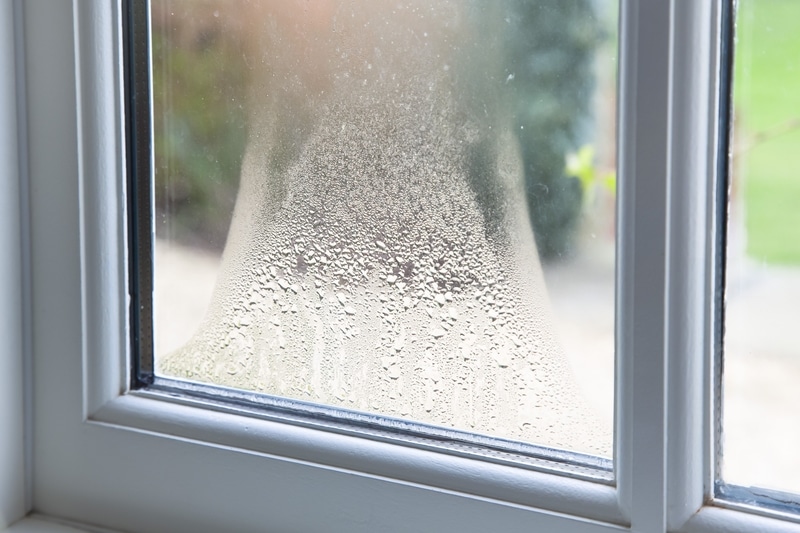
In contrast, widespread damage, which affects multiple components and spans a large area, such as a bent frame, trapped water between the glass window panes, or numerous broken glass pieces, usually necessitates complete replacement.
When comparing the financial benefits of window replacement vs. repair, it’s crucial to shift your focus beyond immediate costs and consider the long-term return on investment. Minor repairs might seem cheaper at first, but they can hide bigger problems that could worsen over time. Conversely, replacing windows, although more expensive initially, can lead to significant savings through lower energy bills and increased property value.
To determine the best option, compare the cost of new windows with potential yearly energy savings and a rise in property value. You should also consider benefits like improved comfort and peace of mind. By focusing on preventive maintenance and knowing when frequent repairs become financially unsustainable, you can make smart choices in the long run.
Energy efficiency greatly affects your utility bills and home comfort, with windows being a key factor. Upgrading to modern, energy-efficient windows can reduce energy costs, enhance insulation, minimize outside noise, prevent the infiltration of outdoor pollutants and allergens, and increase your home’s value.
According to a recent market report, the global window replacement and installation market is projected to reach $168.43 billion by 2030. This growth is driven by increasing demand for energy-efficient windows and advancements in window technology. It shows the importance of factoring in energy efficiency when deciding whether to repair or replace your windows.
While you might have a knack for window fixes, some problems demand more than dabbling in DIY, and trusting them with a professional is the best course of action. Here’s why.

Your windows need attention. Is a simple fix enough, or is it time for a full-scale window renewal? It’s a common dilemma for homeowners. Choosing between window repair vs. window replacement can be daunting if you’re uncertain how to approach it. Knowing what influences your decision, from the extent of the damage to long-term cost savings, is crucial to finding the right solution.
Professional consultation is the winning ticket. Storm Guard’s licensed and insured window experts provide exceptional assessment and installation backed by labor and manufacturer warranties; terms vary, so ask your local Storm Guard for the specifics.
We’re ready to discuss your window needs. Contact us today to schedule a window consultation!
Repair usually makes sense for localized problems: minor glass cracks or chips caught early, worn seals or weather stripping, and hardware issues with locks, handles, or hinges, as long as the frame and glass are otherwise in good condition.
Replacement is the better path when you have persistent drafts or poor insulation, severe frame warping, rotting, or breakage, or aging, inefficient windows that drive up energy bills. These point to problems repairs can’t reliably fix.
Minor repairs cost less upfront but can mask bigger problems that worsen over time. Replacement costs more initially but can pay back through lower energy bills and added property value, so weigh the long-term return, not just the immediate price.
Look at three things: the extent of the damage (localized damage is usually repairable, widespread damage usually isn’t), the cost of repairs versus replacement over time, and energy efficiency, since modern windows insulate far better than older ones.
Professionals assess the damage precisely, install correctly from the start, follow safety protocols, and use quality materials. Storm Guard’s window work is backed by labor and manufacturer warranties; terms vary, so ask your local Storm Guard for the specifics.




Unless otherwise noted, each use of "Storm Guard," “us,” “we,” or “our” throughout Stormguardrc.com collectively refers to both the Storm Guard brand and the Storm Guard Franchise System, which is made up almost exclusively of independently owned and operated franchise locations.