
Is a roof warranty worth it—or is it just extra paperwork? Like many other homeowners, you might be unsure what a roofing warranty covers and what’s left out. With so many options and questions at the back of your mind, it’s easy to feel overwhelmed by the fine print.
Let’s break down the key elements of a roof warranty together. Our goal is to help you make confident, informed choices. At Storm Guard, we stand behind our work, and your local Storm Guard can explain the coverage that applies to your installation..
A roofing warranty is a written commitment from the manufacturer or your roofing contractor. Its scope and terms depend on the specific warranty document, so read yours to see exactly what is and is not covered. This guarantee can be a lifesaver, especially when you live in areas where roofs are put to the test.

There are two main types of warranties:
This coverage is vital if a product fails or if the installation was done improperly. It becomes especially critical after a severe storm to ensure your storm damage roof repair is handled correctly and backed by a strong guarantee.
A storm-damaged roof repair or replacement is a significant investment. A strong warranty actively safeguards that investment for years to come. It transforms a potential headache into a simple, manageable process. It provides crucial benefits like:
Think of your warranty as essential smart protection. It isn’t just a “nice to have” in storm-prone regions. It is necessary for any homeowner who values security and long-term value.
Understanding the types of warranties and what they cover can help you make informed decisions. Let’s break down the most common types of roof warranties.
A manufacturer’s warranty covers factory defects in roofing shingles and underlayment. It is a guarantee that your roof’s installed materials will perform as promised—typically for 20 to 50 years.
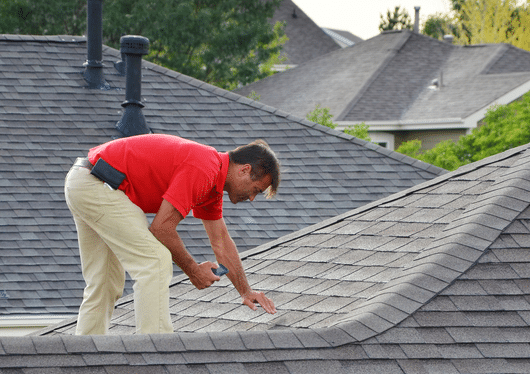
Contractor warranties cover installation errors; if something goes wrong, you’re protected from the unexpected expense of redoing it. Look for a contractor who offers at least 5 to 10 years of coverage—it’s a sign they stand behind their work.
An extended warranty covers more than just shingles; it includes decking, flashing, and vents. It’s like having full-body protection for your roof. Roofing coverage may differ, so make sure to review the terms carefully.
The real question isn’t if you need one, but why you’d ever go without it. A warranty is necessary, especially if you repair or replace your roof. It’s your best defense against future defects and installation errors.
Always ask if an existing warranty is transferable when buying a home. This is especially critical in regions facing hail, hurricanes, or high winds. At Storm Guard, most of our installations come with workmanship coverage in addition to the manufacturer’s product warranty. Terms vary by location, so ask your local Storm Guard for the specifics that apply to your project. We explain all the details up front, so you never have any surprises.
A good roofer warranty can be a lifesaver, but what makes it good? Here are the essentials you should look for:

We simplify the process by providing clear, written documentation and step-by-step guidance on our warranty coverage so you’ll know exactly what to expect at every step.
A strong roof warranty isn’t just paperwork. It is a vital part of protecting your home and your financial investment for the long term. Understanding your coverage brings invaluable confidence and security.
Knowledge saves stress and money, whether you’re planning a future roofing project or reviewing current terms. Want to know what your roof warranty should cover? Contact Storm Guard today!
There are three common types: a manufacturer’s warranty covering defects in the roofing materials, a contractor’s (workmanship) warranty covering the installation, and an extended or system warranty that also covers components like decking, flashing, and vents.
A manufacturer’s material warranty typically runs 20 to 50 years, and a workmanship warranty commonly covers at least 5 to 10 years or more. Exact terms depend on the product and the contractor, so read your warranty document.
A manufacturer’s warranty covers factory defects in the materials themselves, while a workmanship warranty covers installation errors, protecting you from the expense of redoing work that wasn’t done correctly.
Sometimes. Transferability varies by warranty, so always ask whether coverage carries over to a new owner. A transferable warranty can be a meaningful selling point.
Check the coverage details (materials, labor, and system components), the duration, whether it’s transferable, and how straightforward the claims process is. A clear, well-documented warranty saves stress later.
Most Storm Guard installations come with workmanship coverage in addition to the manufacturer’s product warranty. Terms vary by location, so ask your local Storm Guard for the specifics that apply to your project.




Unless otherwise noted, each use of "Storm Guard," “us,” “we,” or “our” throughout Stormguardrc.com collectively refers to both the Storm Guard brand and the Storm Guard Franchise System, which is made up almost exclusively of independently owned and operated franchise locations.