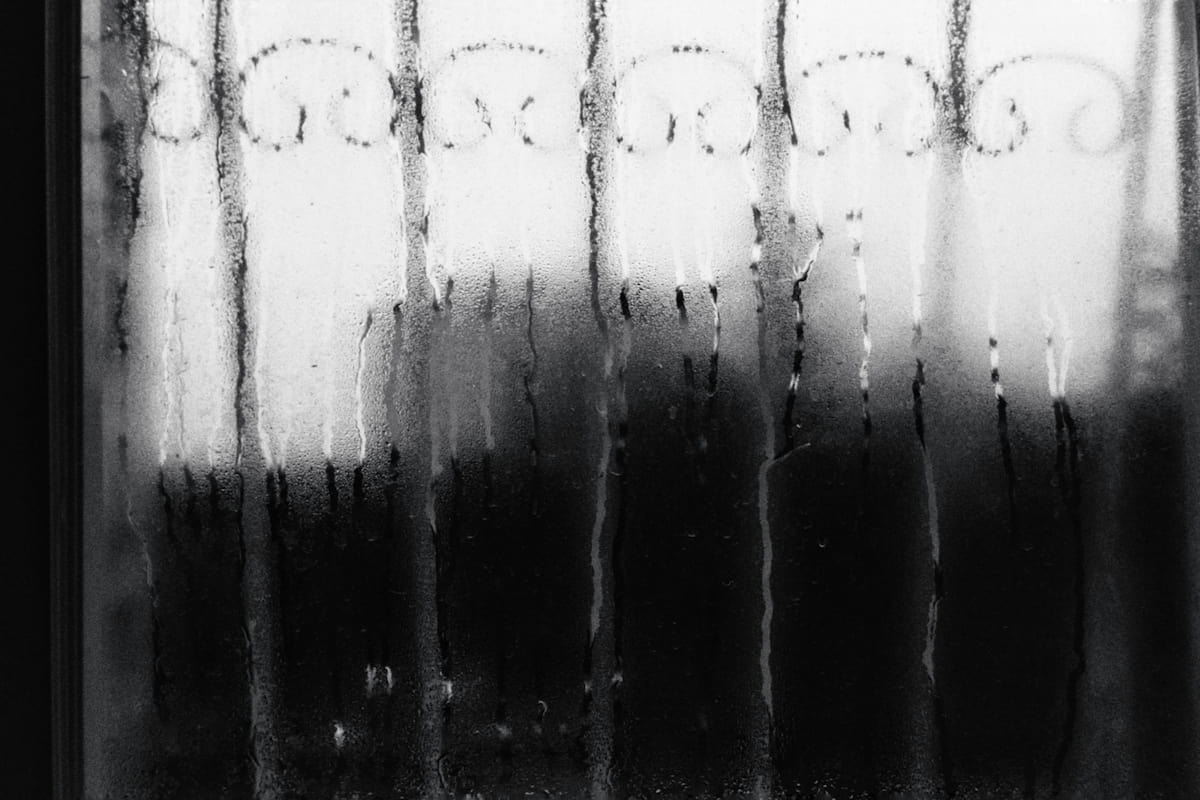
Do your windows look foggy no matter how much you clean them? That stubborn haze isn’t dirt on the surface. It is trapped moisture sealed between the panes of your double-pane or insulated glass—a clear sign of a broken seal.
This frustrating view is more than just a cosmetic issue; it means your window is failing. Read on to learn how to get rid of foggy windows, what causes this condensation, and explore the solutions available to you, from simple tips to professional repairs.
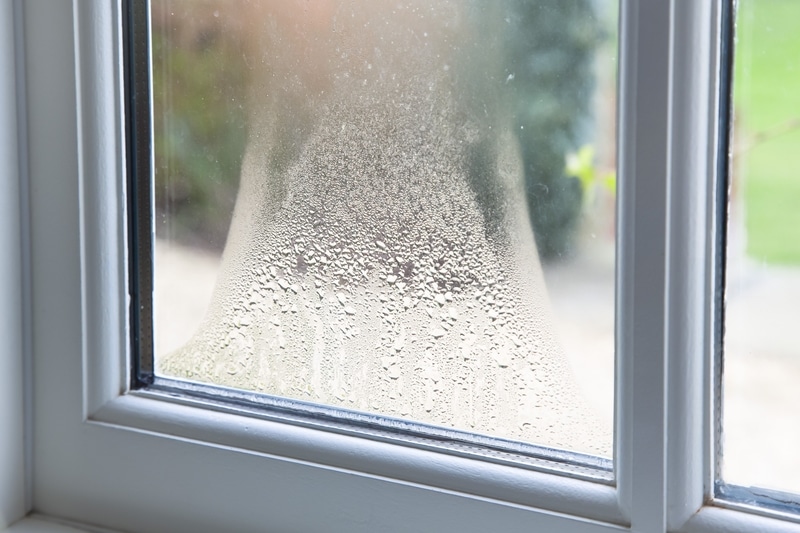
Modern double-pane windows have a sealed space filled with insulating air or gas. A tight seal protects this air inside from outside humidity. When this seal breaks, moist air enters the space between the glass panes.
This failure allows window moisture to become trapped. Age, extreme weather shifts, or poor installation can compromise the seals. This creates the permanent condensation inside the windows you see. It is fundamentally different from the temporary surface humidity you can wipe away.
This issue is far more than a simple eyesore. A broken seal means your window’s insulation is compromised. The trapped moisture is a clear sign of poor performance, leading to significant heat loss in the winter.
You might feel drafty air near the glass or notice your HVAC system working overtime. This struggle directly triggers increased energy bills. Fixing foggy double-pane windows restores efficiency and protects your wallet from rising costs.
While you plan a permanent solution, these tips can help manage your home’s humidity. They offer temporary relief for overall comfort, but cannot fix the condensation trapped inside.

These actions help manage your home’s climate, but are not a permanent fix. For a longer-lasting solution to the seal failure, consider the help of professional contractors.
For a true and lasting resolution, addressing the failed seal is essential. Temporary tricks won’t clear the trapped fog or restore energy efficiency. Here are the primary professional paths to consider.
A professional can inspect the extent of your window seal failure and recommend the best option. They will assess if the air inside is compromised and if the entire unit needs to be replaced to stop heat loss.
Sometimes, a simple repair isn’t the most cost-effective choice. If the window itself is failing, a full replacement is the smarter, long-term investment for your home. This is the best way to resolve the issue completely.

New windows boost efficiency, increase comfort, and protect your home’s value. Look for Energy Star-rated options and strong warranties. A full replacement is worth it when your current windows cannot perform their primary job.
When the window seal fails, the fog wins—but you don’t have to live with it. While DIY steps manage home humidity, they can’t repair the trapped condensation inside windows. A professional assessment is key to fixing the root cause efficiently.
Understanding how to get rid of foggy windows empowers you to make the best decision for your home. If you’re tired of looking through fog, contact Storm Guard for a professional window assessment and clear, lasting solutions.
That haze is trapped moisture sealed between the panes of double-pane or insulated glass, a sign the seal has broken. Age, extreme weather shifts, or poor installation can compromise the seal and let moist air in. It’s different from surface condensation you can wipe away.
No. A broken seal means the window’s insulation is compromised, which leads to heat loss in winter, drafts near the glass, and an HVAC system working overtime. That shows up as higher energy bills, so fixing it protects efficiency and your wallet.
DIY steps like running a dehumidifier, improving ventilation, keeping blinds open, and wiping interior panes help manage your home’s humidity, but they can’t clear the moisture trapped between the panes. They’re temporary relief, not a permanent fix.
The lasting options are professional defogging (a technician cleans and dries the panes), Insulated Glass Unit (IGU) replacement that swaps just the glass and seal while keeping your frame, or full window replacement if the frame is damaged or old.
Replace the full window when you see cracked glass, rotting wood, or a warped frame, feel persistent drafts with chronically high energy bills, or have several windows with failed seals. Look for Energy Star-rated options and strong warranties.




Unless otherwise noted, each use of "Storm Guard," “us,” “we,” or “our” throughout Stormguardrc.com collectively refers to both the Storm Guard brand and the Storm Guard Franchise System, which is made up almost exclusively of independently owned and operated franchise locations.