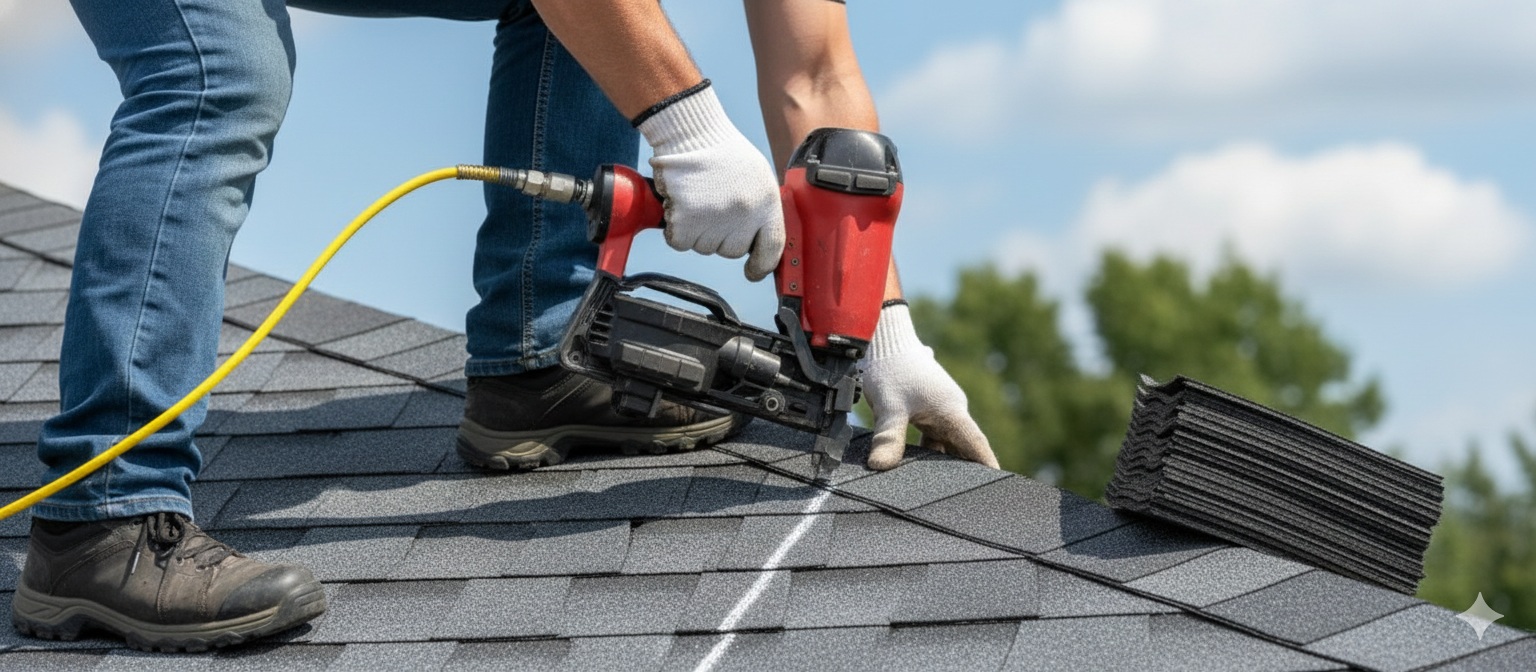

A good home maintenance checklist does one thing well: it ensures the tasks that protect your home from water and weather don’t get overlooked.
Most checklists start with appliances and end with the roof as an afterthought. Ours flips that order. The roof, gutters, siding, and windows make up your home’s exterior. And when any of them fail, water can get inside, and repair costs can grow quickly.
Use this guide alongside our roof maintenance guide, and adjust the timing to your local climate.
Small exterior problems, left unchecked for a few months, often become structural problems. Seasonal home maintenance catches and addresses these issues before they worsen, helping you significantly reduce costs and stress.
Preventive maintenance is almost always cheaper than repair. A gutter packed with leaves overflows, saturates the soil, and pushes water toward the foundation. A lifted shingle that would have taken minutes to secure turns into a wet attic after the next storm.
You can prevent these costly structural problems by simply ensuring that the gutters are clean and that lifted shingles are secured.
Build your maintenance budget around your home. Older properties and roofs, as well as buildings in harsher climates, may require higher maintenance budgets.
You can start by listing the age of your major exterior components:
Set money aside every month for routine upkeep, with a separate cushion for emergency storm damage repairs that cannot wait.
A professional inspection is the most accurate planning tool. It shows which components are in the middle of their lifespans and which are close to replacement, so costlier projects don’t become surprises.
Spring is the season to find out what winter did to your home. Freeze-and-thaw cycles, ice buildup, and snow loads take a toll on your exterior, so take the time to inspect your property and address any problems.
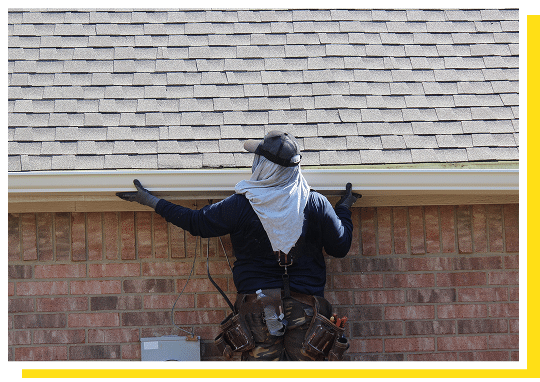
Our roof inspection checklist walks through each item in detail. While you can do this process yourself, hiring a professional to inspect and clean your roof reduces the risk of accidents and prevents further damage.
Cleaning upper‑story windows is risky without the right equipment. Our window replacement team can handle the work safely and advise on repair or replacement if needed.
Summer is the best season for exterior upkeep, which benefits from dry, warm weather. At the same time, it’s also the season to watch closely for storm and hail damage.
Performing sound siding maintenance now prevents hidden moisture problems that surface in the fall.
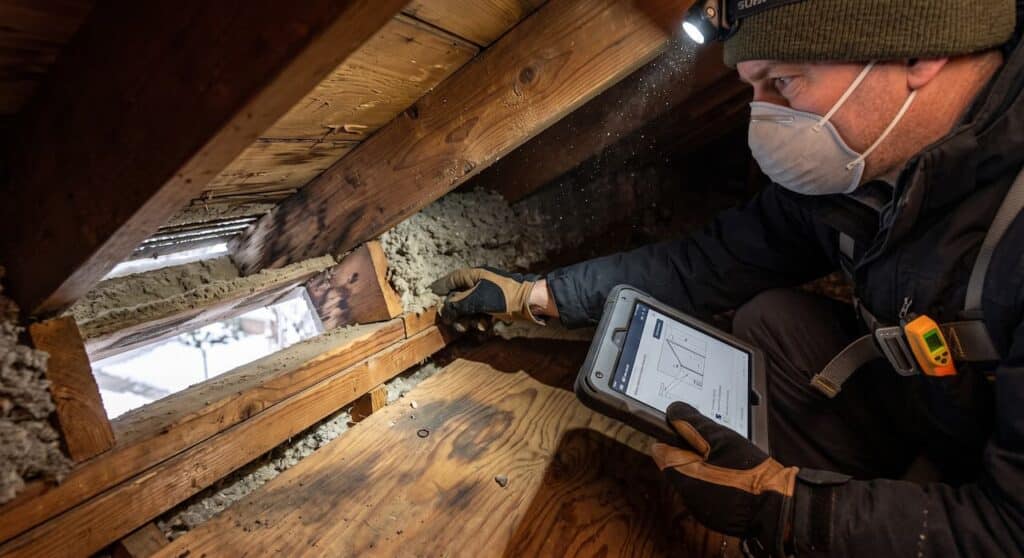
An overheated attic shortens your shingles’ lifespan and makes your cooling system work harder.
On a hot afternoon, check that soffit vents are not blocked by insulation or debris and that ridge or roof vents are clear. Look for compressed or damp insulation, which points to a ventilation or leak problem. Balanced intake and exhaust ventilation manages both heat in summer and moisture in winter.
Summer thunderstorms bring hail and high winds to much of the country. After a significant storm, walk the property and look for:
Hail damage is easy to miss from the ground. Our guide to storm and hail damage roof repairs explains what to look for and what to do next.
Fall is the most important season for exterior upkeep because everything you seal and clear now affects how your home handles ice, snow, and rain during winter.

Homes surrounded by trees often need more than two cleanings a year. Regular gutter cleaning and maintenance are the best defense against ice dams and foundation water problems.

Re-caulk and weatherstrip windows and doors before cold weather sets in. Air leaks waste energy, and gaps in exterior caulk let in wind-driven rain. Here is how to caulk a window properly:
Most interior water damage begins outside, so fix roof leaks promptly and seal exterior gaps. Inside, store basement items on shelving or in sealed plastic bins off the floor, and know where your main water shutoff is. If water does get in, find the source fast and dry wet areas and materials within 48 hours to help prevent mold growth.
Finish the season by servicing the furnace and having the chimney swept before the first fire.
Winter maintenance is about watching for ice, drafts, and storm damage, and acting before a small problem becomes a leak. Timing and risks vary widely by region, so adapt this list to your climate.
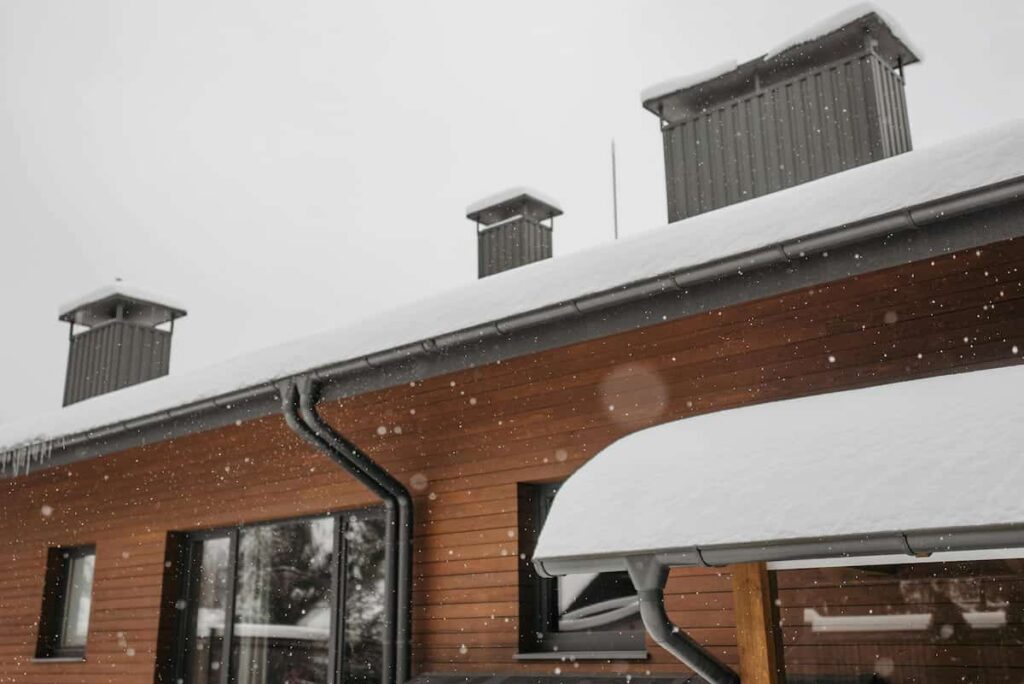
Ice dams form when heat escaping into the attic melts snow on the upper roof, and the water refreezes at the colder eaves. They cause water to back up under your shingles and into your home.
Removing ice only treats the symptom. The more permanent fix is to seal the attic floor, add insulation where it is thin, and balance your attic ventilation so the roof deck stays cold.
After a heavy snow, ice storm, or high winds, check for missing shingles, damaged gutters, and new stains in the attic, and take photos of any damage. For a thorough inspection, it’s best to leave the task to professionals to avoid accidents and to catch small, nearly invisible issues.
Storm Guard Roofing can inspect your roof and document the damage in a written inspection report, including photos you can share with your insurer. Review your policy with your insurance company to understand your coverage and reporting deadlines.
The home maintenance checklist above can help keep your property in shape before you need any significant repairs. Likewise, these recurring tasks can prevent small issues from slipping through the cracks between seasons.
| Task | Frequency | Rationale |
|---|---|---|
| Test smoke alarms | Monthly | Test monthly, replace according to the manufacturer’s instructions |
| Test carbon monoxide alarms | Monthly | Replace according to the schedule printed on the unit. |
| Check under sinks and around toilets | Monthly | It allows you to catch minor leaks early before they worsen. |
| Replace the HVAC air filter | Quarterly, at least | Do it more often if you have pets or allergies. |
| Inspect gutters and downspouts | Quarterly and after storms | Clogs cause overflow, ice dams, and water damage to your property’s foundations. |
| Assess your overall exterior | Quarterly | It lets you detect lifted shingles and cracked caulk. |
It’s fine to repair isolated, minor damage. However, replacements are necessary when problems are widespread, recurring, or age-related, such as in the following cases:
If your home was built before the 80s, painted windows and trim may contain lead-based paint. It’s best to hire a certified professional before scraping or sanding to avoid health risks.
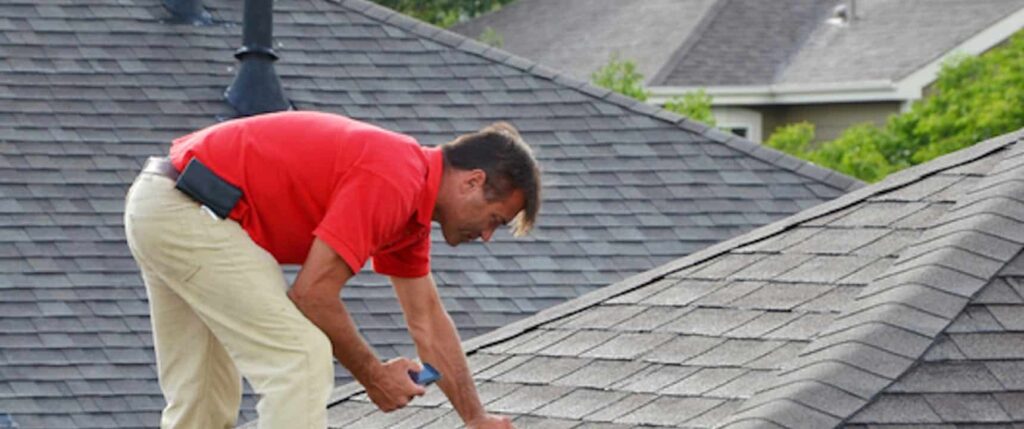
Call a professional for any roof work, active leak, or storm damage that you can’t fully see from the ground. They have the experience and equipment to address these problems with minimal risk, backed by warranties and insurance coverage to protect you from liability.
Maintenance is a crucial part of property ownership, as it helps ensure your investment stands strong for decades. So, don’t skip upkeep. Use this home maintenance checklist to give your home or business the care it deserves.
Some maintenance tasks, however, can be time-consuming or even hazardous, and that’s where we come in. Storm Guard can send a local team to regularly inspect your exterior, make necessary repairs, and recommend replacement when necessary to help keep your property in good condition year-round.
Schedule a trusted consultation today!
Work on a seasonal schedule; spring and fall typically involve heavy exterior work, such as roof and gutter checks. Meanwhile, summer and winter focus on weather protection, with monthly tasks like testing alarms and checking for leaks to prevent small problems from slipping through the cracks.
The budget is based on your home’s age, condition, and local climate, with older homes and roofs usually requiring a larger allowance. Track the ages of your roof, gutters, siding, and windows, set aside money monthly, and keep a separate cushion for emergency weather-related repairs.
The most important tasks for protecting your exterior are roof inspections, gutter cleaning, and sealing and insulation before winter and after storms. These routines prevent water intrusion and structural damage that are complex and costly to address.
Clean your gutters at least twice a year, in spring and again in the fall, before the first freeze. Homes surrounded by trees may need more frequent cleaning, and clogged gutters in the fall are a leading cause of winter ice dams and foundation water problems.
You may repair isolated, minor damage and replace only when problems are widespread, recurring, or age-related. The same logic applies to gutters, siding, and windows. A professional inspection can tell you whether a problem requires repairs or a replacement project.
Keeping water away from your home prevents most cases of water damage. So, clear your gutters and extend downspouts away from the foundation, re-caulk windows and doors, fix roof leaks promptly, and slope soil away from the house.




Unless otherwise noted, each use of "Storm Guard," “us,” “we,” or “our” throughout Stormguardrc.com collectively refers to both the Storm Guard brand and the Storm Guard Franchise System, which is made up almost exclusively of independently owned and operated franchise locations.