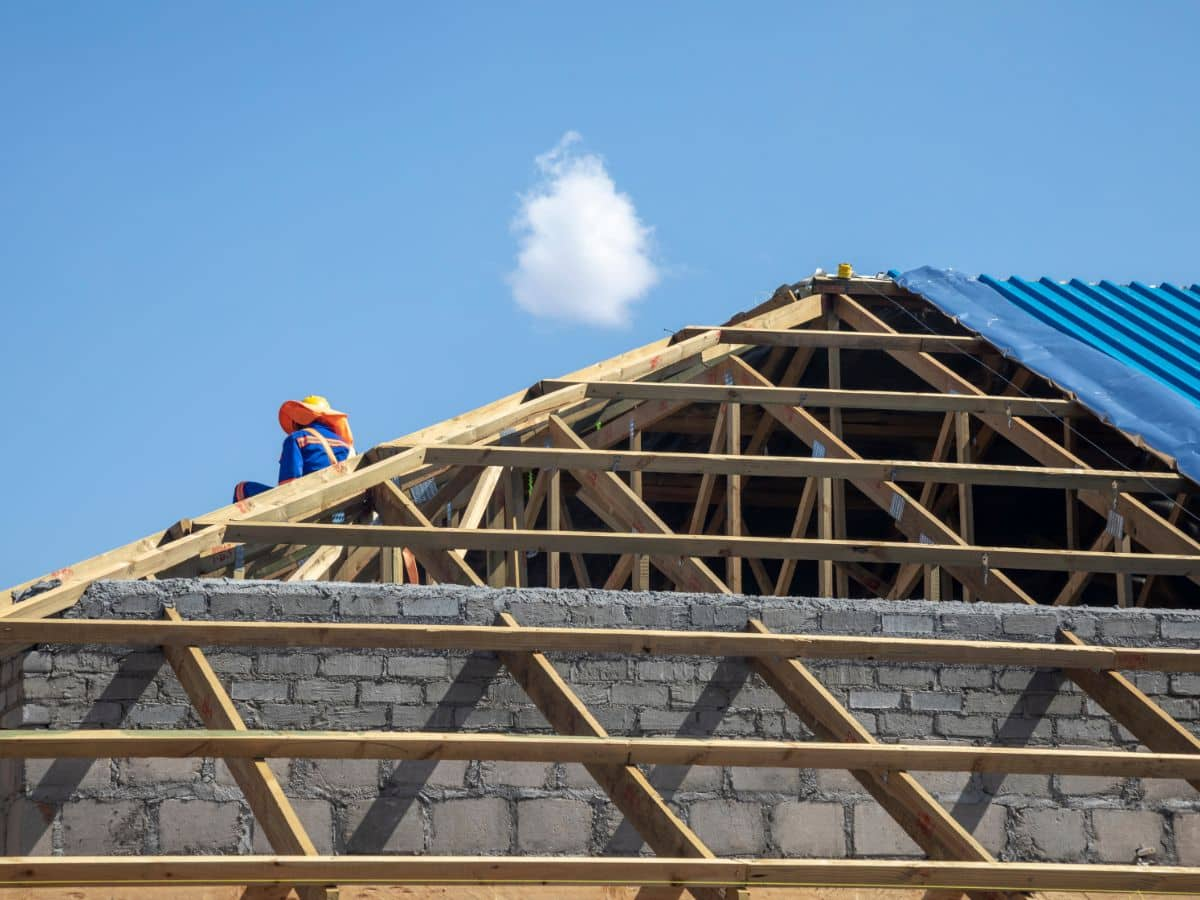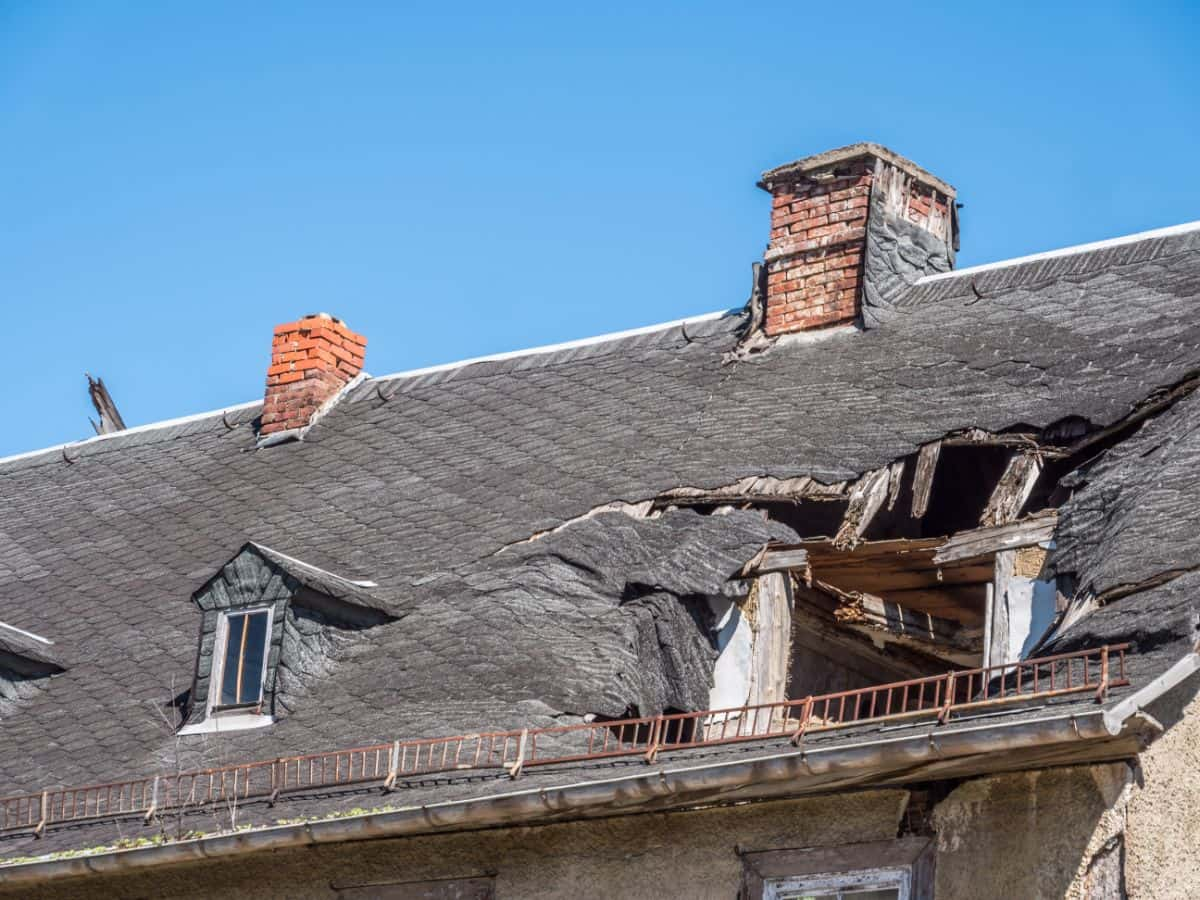

As a homeowner, you might have wondered how long your roof would last. Most asphalt shingle roofs last 20 to 30 years, while metal roofs can last longer, around 40 to 80 years. Slate, clay, and concrete tile roofs can last anywhere from 60 to more than 100 years.
Those are rated lifespans, though, and real roofs rarely live in ideal conditions.
Attic ventilation, installation quality, climate, and storm exposure decide how much of that rated life you actually get. A standard asphalt roof is built to last decades, but a single severe hailstorm can end that timeline years early. If your roof is past 15 years old or has been through a major storm, an inspection is the only reliable way to know how much life it has left.
This guide covers how to extend your roof’s lifespan based on the material, when to repair or replace, how long replacement takes, and the best season to do it.
A roof’s lifespan comes down to four things: the material, how well it was installed and ventilated, the climate it’s in, and how many storms it has taken. Material sets the ceiling. The other three decide how close you get to it.
Material is the biggest single factor. A 3-tab asphalt shingle and a slate tile are built for very different service lives, and no amount of maintenance turns one into the other. Within a material, quality matters too: thicker architectural shingles outlast thin 3-tab shingles.
Even premium materials fail early when they are installed poorly. Missed or misplaced nails, skipped underlayment, and sloppy flashing all open the door to leaks and wind damage.
How the roof is installed also directly affects the attic ventilation. A hot, poorly vented attic bakes shingles from below in summer and traps moisture that rots the roof deck in winter. A good attic and roof ventilation balances airflow and protects your shingles.
Strong UV exposure dries out asphalt and speeds up granule loss. Big daily temperature swings cause thermal shock, making materials expand and contract until they crack. In cold regions, water in small cracks freezes, expands, and widens them through repeated freeze-and-thaw cycles.
Local climate is not the only environmental factor homeowners should consider when determining how many years their current roof has left. Severe weather, like hailstorms, can fracture shingles and knock off granules. High winds can lift and crease shingles or tear them away. One bad storm can take years off a roof overnight, which is why the published lifespan is a planning number, not a promise.
If your area sees frequent severe weather, it’s important to be prepared and informed about what to do if your roof needs storm damage repair.
Expected roof life ranges from about 20 years for basic 3-tab asphalt shingles to more than a century for clay and concrete tile, based on the InterNACHI Standard Estimated Life Expectancy Chart. The table below adds what tends to shorten each one in the real world.
| Material | Expected lifespan (InterNACHI) | What shortens it in practice |
|---|---|---|
| Asphalt shingles, 3-tab | About 20 years | Hail, wind uplift, UV, poor attic ventilation |
| Asphalt shingles, architectural | About 30 years | Hail, heat, poor ventilation, granule loss |
| Wood | About 25 years | Moisture, rot, moss, lack of upkeep |
| Metal | 40 to 80 years | Hail denting, fastener, and sealant wear |
| Slate | 60 to 150 years | Impact breakage, worn flashing, or fasteners |
| Clay or concrete tile | 100+ years | Cracked tiles from impact or foot traffic, aging underlayment |
Asphalt is the most common residential roofing material because it is affordable and comes in many styles. InterNACHI puts 3-tab shingles at about 20 years and architectural shingles at about 30. In hot, sunny, or storm-prone regions, plan for the lower end of the range.
Metal roofs can last 40 to 80 years and need little upkeep. Hail can still dent panels, and fasteners and sealants wear out sooner than the metal itself, so periodic inspections still matter.
Slate, clay, or concrete tiles are the long-distance runners, often outlasting the homes they sit on. The tiles themselves rarely wear out. Breakage from impact and aging underlayment or flashing beneath them are what usually force repairs.
A roof with 30-year shingles rarely gives 30 years of real service. The rating describes the product under good conditions, not your roof’s actual exposure to heat, UV, wind, and hail.
The warranty tells a similar story. Many shingle warranties are limited and prorated: after an initial full-coverage period, labor is no longer covered, and any material reimbursement shrinks with each year of use. Most also exclude damage caused by factors other than manufacturing defects, such as storms and inadequate ventilation. A well-maintained 30-year roof that gives you 20 to 25 good years is common. Always treat the lifespan rates as a ceiling, not a guarantee.
A roof should be replaced when it reaches the end of its material lifespan or sustains damage that cannot be repaired. For most asphalt roofs, that means roughly every 20 to 30 years. Before that point, isolated problems are usually worth repairing.
Repair is usually the better call when:
Replacement is usually the better call when:
Age also affects how well a repair holds up. On an older roof, new shingles may not match the faded originals, and the surrounding shingles can be too brittle to work around without breaking. A patch that looks fine today may leave you with a second repair bill next season.
Once a roof is in the last stretch of its expected lifespan and shows leaks, widespread wear, or storm damage, replacement usually costs less over time than repeated repairs. You can use the roof lifespan table above as your guide, but we highly recommend hiring a certified roof inspector to confirm your roof’s actual condition.
Budget matters in this decision too. Learning the average cost of a new roof and what drives the price can help you plan your budget.
In Storm Guard Roofing’s years of experience in the field, most asphalt roof replacements on an average single-family home take one to three days of work on the roof. The full process, from inspection and permits to material delivery and final cleanup, can stretch the overall timeline to a week or more.
Your contractor should give you a day-by-day schedule before work begins. Storm Guard’s professional roof replacement process starts with a detailed inspection, so there are fewer surprises once the old roof comes off.
Fall is often the best time to replace a roof. Asphalt shingles have adhesive strips that need autumn’s moderate temperatures to bond. Fall’s weather is usually more stable, and its mild days don’t have the extreme heat that makes summer work harder on crews and materials. Having a new roof in autumn also prepares your home to handle snow, ice, and winter storms.
Spring is a strong second choice, though its weather is less predictable and rain delays are more common. Summer works well in many areas but is often the busiest season, which can mean longer waits. Winter installs are possible with the right cold-weather methods, but freezing temperatures make shingle sealing harder.
Your local climate also shifts the calendar. In mild regions, the good roofing window can run most of the year, while colder areas have a shorter stretch of reliable temperatures. Treat this as a guideline, not a rule. If your roof is leaking or storm-damaged, do not wait for fall. A damaged roof gets worse with every rain.
How long your roof will last depends on how fast you act. If you already know your roof needs repair or is nearing the end of its life, schedule the inspection immediately to know which action you need to take.
A professional inspection confirms how much life your roof has left and separates normal wear from storm damage. At Storm Guard, our inspectors are trained, certified, and licensed to check the following:
Storm Guard can also provide you with guidance on whether a targeted repair will buy you more years or whether replacement makes more sense now. If replacement is the answer, the inspection findings shape the scope of work, from decking repairs to ventilation upgrades, so the new roof starts with the right foundation. Roofing work is also dangerous, so we recommend leaving the climbing to trained crews.
If a storm caused the damage, it may be covered under your homeowners policy, which can change the cost math entirely. Coverage depends on your specific policy, so check the details with your insurer before you make decisions.
Storm Guard inspects and documents the damage, provides a written inspection report with photos you can share with your insurer, and can meet the adjuster on site.
If you need the help of a professional roof inspector who can provide reports that follow the standards of most insurance companies, find your local Storm Guard team and schedule an inspection today!
A standard 3-tab asphalt roof lasts about 20 years, and architectural shingles about 30, according to InterNACHI. Real-world life depends on attic ventilation, installation quality, and climate. Homes in storm-prone or high-heat regions often see the lower end, so treat 20 to 30 years as a planning window, not a guarantee.
Rarely. The “30-year” label reflects good conditions, and manufacturer warranties are usually prorated, so coverage shrinks over time. Poor ventilation, extreme heat, and storm damage can cut a 30-year shingle’s real service life well short of 30 years.
Replace a roof when it reaches the end of its material lifespan or sustains damage that repairs cannot reliably fix. Once an asphalt roof is near the end of its expected lifespan and shows leaks, widespread granule loss, or storm damage, replacement usually costs less over time than repeated repairs.
Most asphalt roof replacements on an average single-family home take one to three days. Larger homes, steep pitches, multiple old layers to tear off, premium materials like tile or slate, and weather delays can extend the job. Your contractor should give a day-by-day schedule before work begins.
Fall is often the ideal season because its moderate temperatures help shingles seal properly, and the work finishes before winter. Spring is a strong second choice. Avoid peak storm season and deep freezes when you can, and book early, since storm activity fills contractor calendars fast.
Yes. Hail, high winds, and flying debris can crack shingles, strip granules, and compromise the underlayment, aging a roof years in a single event. Damage is not always visible from the ground, so a professional inspection after a major storm is the most reliable way to assess remaining life.




Unless otherwise noted, each use of "Storm Guard," “us,” “we,” or “our” throughout Stormguardrc.com collectively refers to both the Storm Guard brand and the Storm Guard Franchise System, which is made up almost exclusively of independently owned and operated franchise locations.