
Severe weather is the single biggest threat to your roof, and the damage is often invisible from the ground until a leak shows up weeks later. The homeowners who come through a storm in the best shape are the ones who got ready before it arrived. Use this guide to prepare your roof and home, stay ahead of incoming weather, and know exactly what to do if damage happens.
You cannot protect your home from a storm you did not see coming. Set up reliable severe-weather alerts so you get as much warning as possible:
How a storm threatens your roof depends on where you live. Hail and high wind are the usual culprits across much of the country, hurricanes and driving rain along the coast, and heavy snow and ice load in the north. Knowing your region’s typical threat tells you what to check for and how urgently to act when a warning goes up.
Before the weather turns, work through this list:
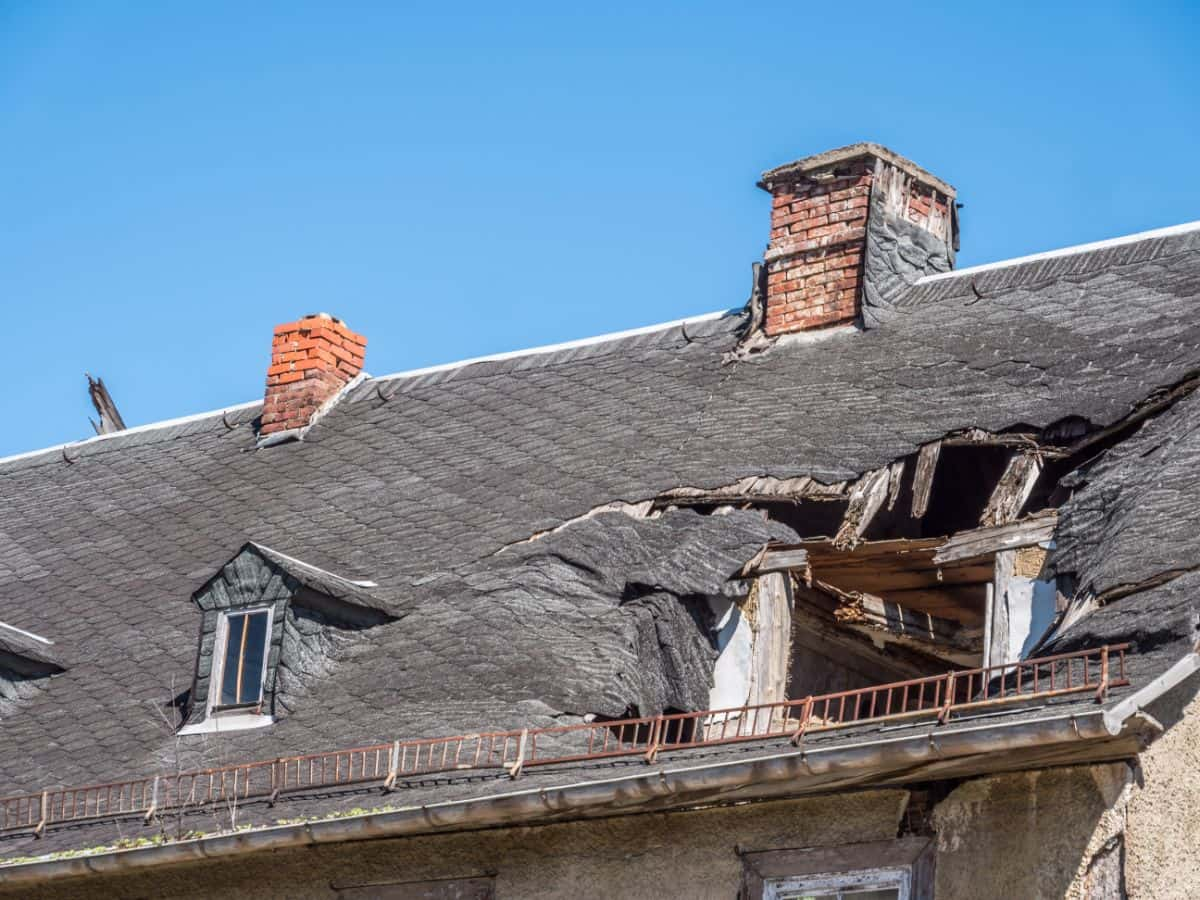
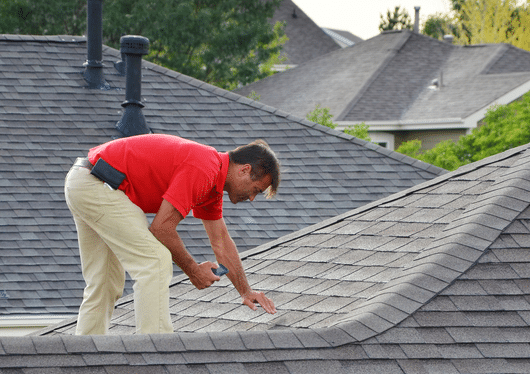
If a storm hits, stay off the roof. Inspect from the ground and from inside the attic for leaks, water stains, dented vents, or shingle debris in the yard. Storm damage is not always visible from the ground, so a professional inspection after any major event is the only reliable way to know what you are dealing with.
If there is damage, your homeowners policy may cover it. We walk through exactly how that works in our guide to navigating your insurance claims process, and Storm Guard can inspect your roof, document the damage with dated photos, and be on site to walk the damage with your adjuster.
Prefer to get ahead of it? Contact your local Storm Guard for a free, no-obligation roof inspection before the next storm rolls in.




Unless otherwise noted, each use of "Storm Guard," “us,” “we,” or “our” throughout Stormguardrc.com collectively refers to both the Storm Guard brand and the Storm Guard Franchise System, which is made up almost exclusively of independently owned and operated franchise locations.