There are a few ways to keep your home in the best shape for severe winter weather, so make sure you are taking the proper precautions to keep your family and your home safe this season.
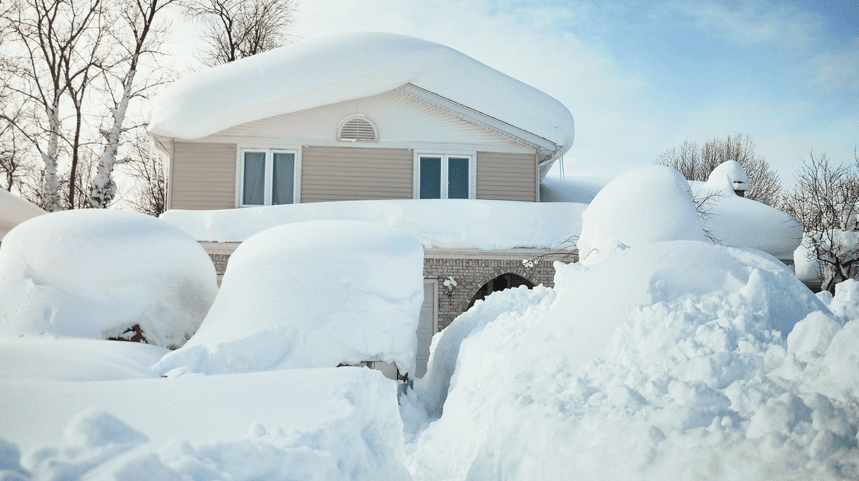
According to the Institute for Business and Home Safety, most roofs can hold about 20 pounds per square foot of snow. Many homes in northern, more snow-prone areas are built to handle a bit more. During or after a blizzard, it’s important to gauge just how much weight your roof is holding. Here are some guidelines:
The water in your pipes can freeze during extremely cold temperatures and snow storms. This can cause your pipes to burst, causing leakage problems later on. However, there are a couple of ways to prevent this from happening. Keeping your home warm can help prevent the pipes from freezing. If there is a power outage, use a generator or alternative heat source such as a fireplace or wood stove to warm up the vicinity. Also, insulate any areas that could let the outdoor air inside, and seal doors and windows to keep the indoors warm.
Of course, this includes all necessary items for survival such as food, water, and non-electric heat sources. But it’s also important to stock up on items that can keep your home safe during severe weather. Be sure that you have the following items around your home for top snow-storm preparedness:
According to the Institute for Business and Home Safety, most roofs can hold about 20 pounds per square foot of snow. In practice that’s roughly four feet of fresh snow or about two feet of older, packed snow, and homes in snowier regions are often built to handle a bit more.
Gauge the weight: about one foot of fresh snow weighs around five pounds per square foot, while packed old snow and ice are much heavier (one inch of ice equals roughly a foot of snow). If you think your roof is overloaded, don’t climb up to check.
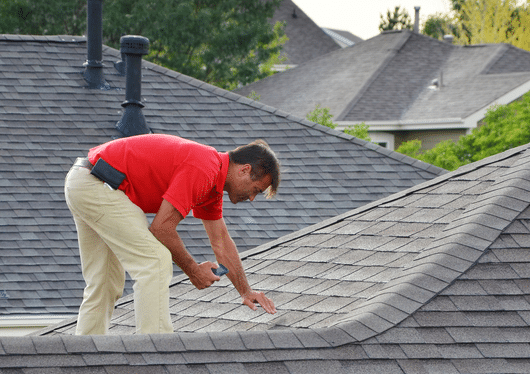
Don’t use a ladder to get up and clear it yourself. Either use a snow rake while standing safely on the ground, or call a professional for help.
Keep your home warm, and in a power outage use a generator or an alternative heat source such as a fireplace or wood stove. Insulate areas that let outdoor air in, and seal doors and windows to hold the heat inside.
Keep food, water, and a non-electric heat source on hand, plus de-icing salt and sand for walkways, a working snow blower with extra gas, and a snow shovel. A quick tip: spray the shovel with non-stick cooking spray so snow slides right off.




Unless otherwise noted, each use of "Storm Guard," “us,” “we,” or “our” throughout Stormguardrc.com collectively refers to both the Storm Guard brand and the Storm Guard Franchise System, which is made up almost exclusively of independently owned and operated franchise locations.